Description
The Atlantic poppy (Papaver atlanticum) is a perennial herbaceous plant belonging to the Papaveraceae family. It is highly valued in horticulture for its elegant, papery flowers and its ability to thrive as a hardy perennial, forming basal rosettes of grey-green, pubescent leaves that provide ground cover throughout the growing season.
Originating from the mountainous regions of Northwest Africa, specifically the Atlas Mountains of Morocco and Spain, this plant is well-adapted to alpine or rocky environments. It is frequently utilized in landscape design for rock gardens, gravel beds, and borders where its drought tolerance can be fully exploited.
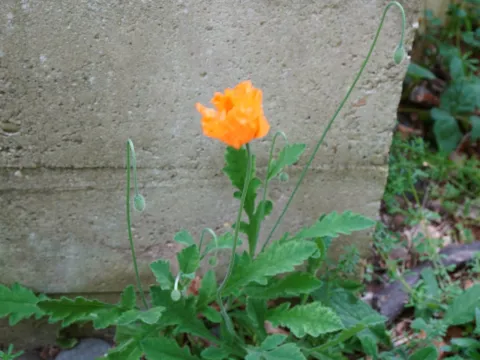
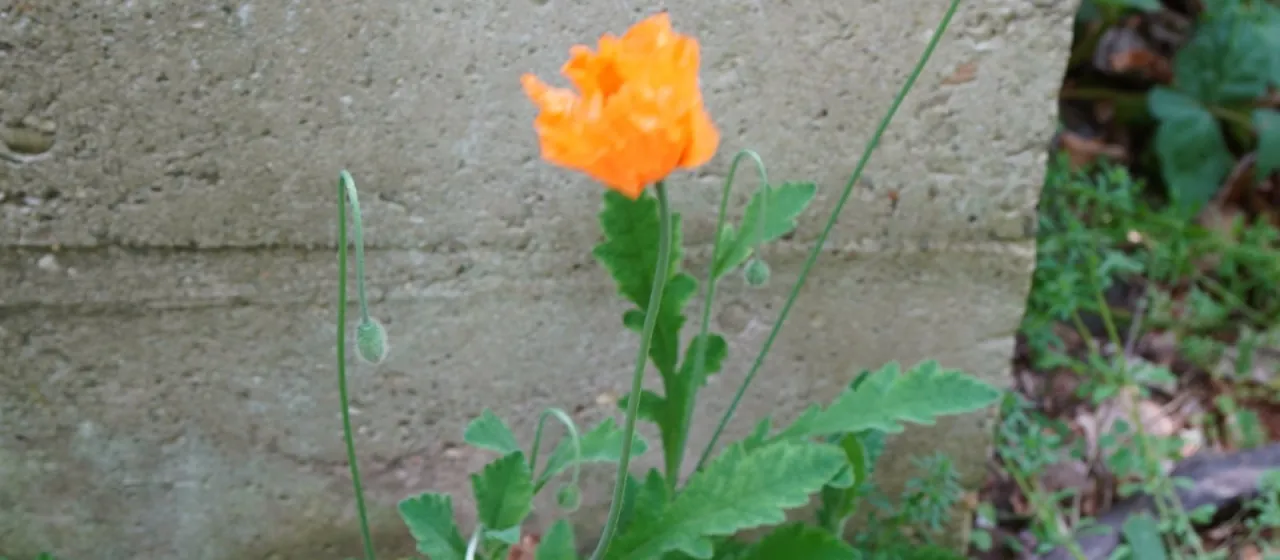
Botanically, the plant features slender, upright stems that reach heights of 30 to 45 centimeters, topped with delicate four-petaled flowers typically in shades of orange or apricot. The blooming period begins in late spring, providing a vibrant color display that persists for several weeks when deadheaded regularly.
Cultivation requirements focus primarily on drainage and sunlight. The Atlantic poppy thrives in full sun and requires well-draining, gritty soil to prevent root rot. It is highly intolerant of waterlogged soil conditions, particularly during the winter months, making raised beds or slopes ideal locations for planting.
Common issues in the cultivation of this species are usually related to environmental stress rather than specialized pests. The main threats include:
- Aphid infestations during dry spells.
- Powdery mildew in areas with poor air circulation.
- Crown rot caused by excessive soil moisture in cold temperatures.
Photo gallery