Description
Caucasian poppy (lat. Papaver commutatum) is an annual herbaceous plant belonging to the Papaveraceae family. Unlike some of its relatives, this species is primarily cultivated for its high ornamental value. It is prized by gardeners for its vibrant, contrasting floral pattern, which serves as a striking focal point in flower beds.
The plant originates from the mountainous regions of the Caucasus, Turkey, and northern Iran. Due to its natural habitat, the species is adapted to rocky, well-drained soils and high sunlight exposure. Today, it is grown in temperate regions globally as a decorative feature, thriving in conditions that mimic its original alpine environment.
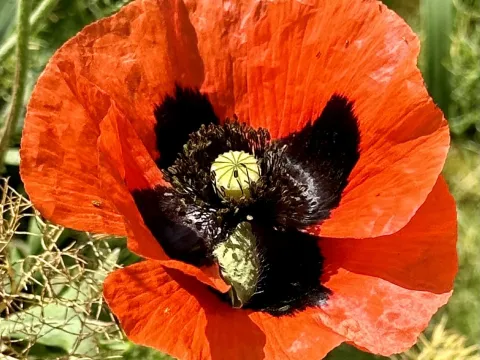
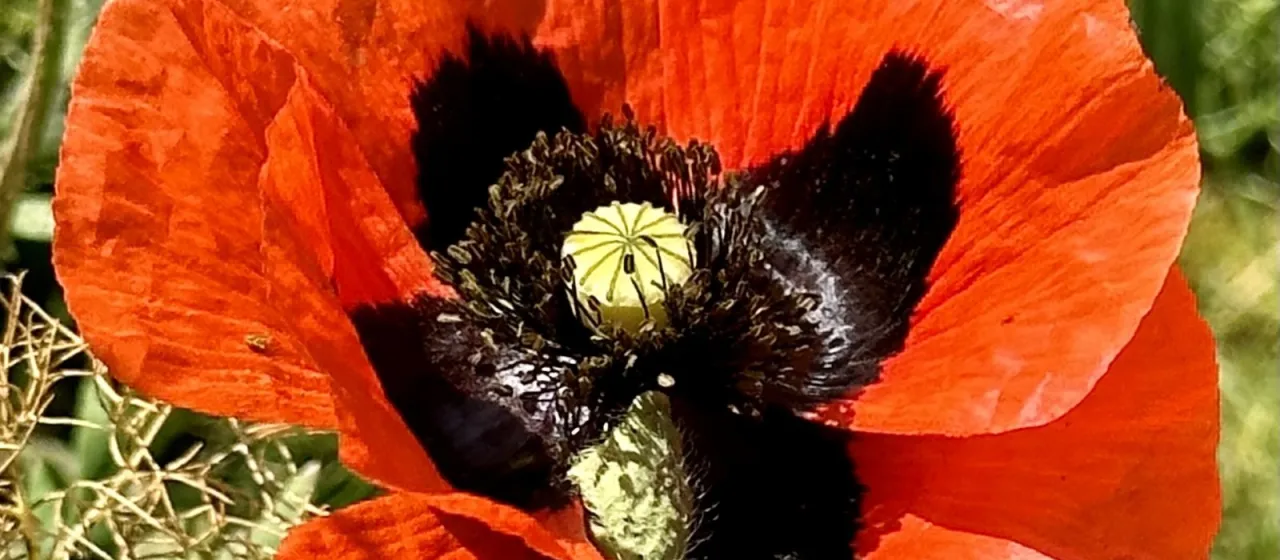
Botanically, the plant grows to a height of 40–60 cm and features finely dissected foliage covered with coarse hairs. The flowers are distinctive for their bright red color, each petal bearing a large, dark-black spot at the base, creating a dramatic aesthetic. Following pollination, the plant develops a seed capsule which is characteristic of the genus.
Cultivation requirements focus on providing full sun and poor to moderately fertile, well-drained soil. Because the plant has a taproot system, it does not transplant well, necessitating direct sowing into the final growing site. Proper spacing is essential to ensure adequate air circulation, which helps reduce the risk of humidity-related pathogens.
- Requires full sun to achieve optimal color intensity.
- Thrives in well-drained, sandy or loamy soils.
- Minimal fertilizer requirements; prefers neutral to alkaline pH.
- Easy to propagate via seed dispersal.
The primary use of Papaver commutatum is in landscape design, where it is used in rock gardens, borders, and meadow-style plantings. Common pests include aphids that target buds, while fungal diseases like powdery mildew may occur if the plant is grown in overcrowded or overly damp conditions. Maintaining good drainage is the most effective cultural practice for preventing these issues.
Photo gallery