Description
The Hungarian poppy (Papaver hungaricum) is a perennial herbaceous plant belonging to the Papaveraceae family. It is a distinct botanical species characterized by its adaptation to rocky habitats and specific ecological conditions found in parts of Central Europe, making it a unique subject for study and cultivation.
Its natural range is primarily restricted to limestone substrates and rocky slopes in Hungary, where the climate allows for specialized plant associations. This species is highly adapted to the stony, calcium-rich soils of its native habitat, which is an essential factor for successful cultivation in non-native environments.
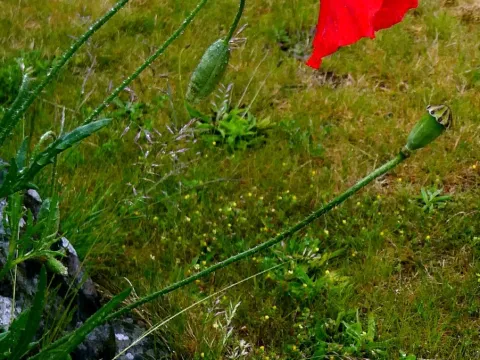
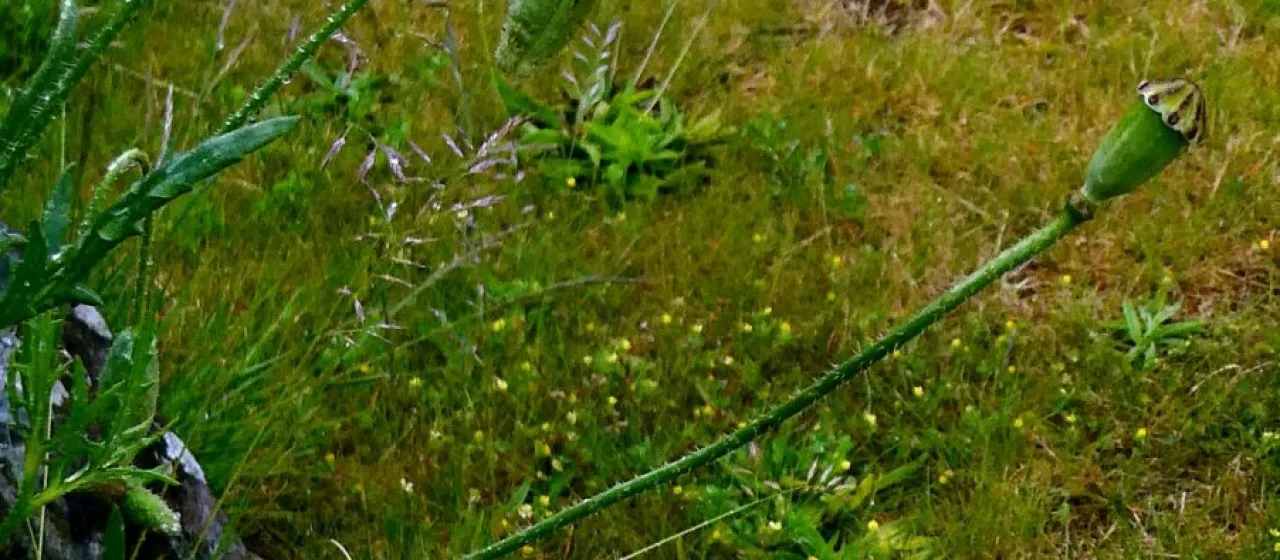
Botanically, it features a basal rosette of finely divided leaves and produces solitary flowers on relatively slender stalks. The plant's reproductive cycle is focused on the production of a capsule filled with tiny seeds, which are dispersed primarily by wind action when the conditions are dry and favorable.
Regarding agrotechnical requirements, the Hungarian poppy demands excellent drainage and a neutral to slightly alkaline soil pH. It is a sun-loving plant that fails to thrive in waterlogged or shaded areas, making site selection the most critical aspect of its management in both gardens and specialized nursery environments.
The primary use of the Hungarian poppy is within ornamental horticulture and botanical conservation. Because it is not a large-scale agricultural commodity, its cultivation is usually managed for landscaping purposes, rock garden design, and maintaining the genetic diversity of the poppy genus through specialized planting programs.
- Preferably rocky and well-drained soils
- High requirement for direct sunlight
- Minimal maintenance after establishment
- Sensitive to over-fertilization
Photo gallery