Description
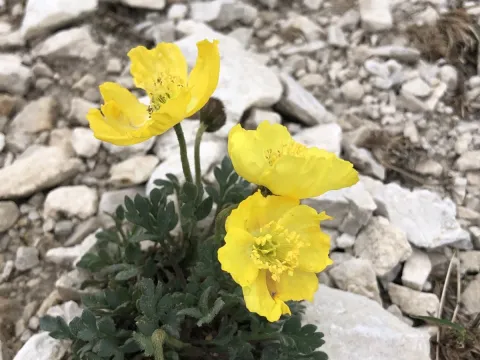
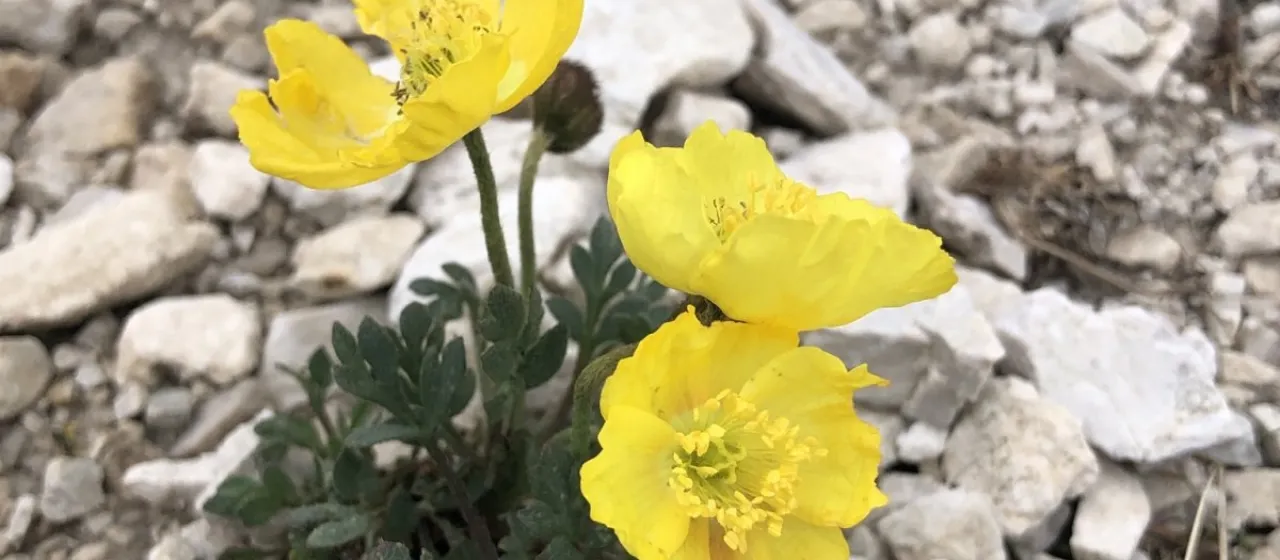
Kerner's poppy (Papaver kerneri) is a rare perennial herbaceous plant belonging to the Papaveraceae family. Unlike common agricultural poppy varieties, this species is an alpine endemic characterized by specialized morphological adaptations that allow it to thrive in harsh, high-altitude mountainous environments.
The plant originates from the mountainous regions of Central Europe, specifically within the Eastern Alps. In its natural habitat, it is found in rocky screes and open slopes composed of limestone and gravel. Due to its specific ecological niche, it is not grown for large-scale agricultural purposes but is primarily found in alpine gardens and botanical collections.
Botanically, Papaver kerneri is distinguished by a dense basal rosette of dissected leaves and sturdy stems bearing solitary, bright yellow to golden flowers. Its root system is deep and tap-rooted, which allows the plant to anchor securely in rocky crevices and access moisture stored deep within the mineral substrate.
Cultural requirements for this species are strict: it demands excellent drainage, high light intensity, and a lean, slightly alkaline substrate. Agricultural management focuses on simulating alpine conditions, which includes using gravel-heavy soil mixes and ensuring that the plants are not exposed to stagnant humidity, which is critical for their survival.
The primary use of Kerner's poppy is ornamental, as it is a highly prized species for rock gardens. In terms of health and protection, the plant is susceptible to root rot if soil aeration is poor. Common pests include aphids and spider mites, which typically target the plant during dry, warm periods, requiring careful monitoring and integrated pest management practices.
Photo gallery