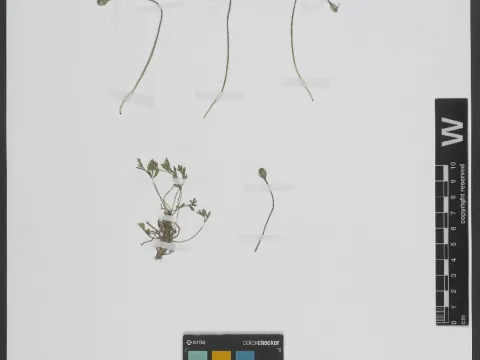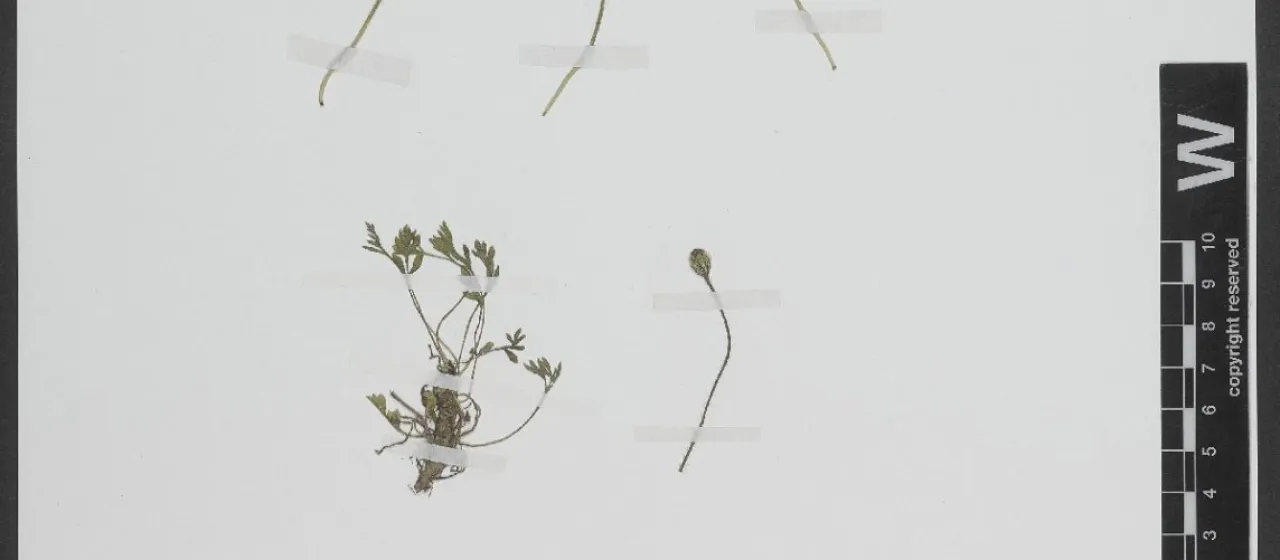
Description
Lapeyrouse's Poppy (Papaver lapeyrousianum) is a perennial herbaceous plant belonging to the Poppy family (Papaveraceae). This species is a specialized high-altitude plant that has evolved to thrive in the harsh, rocky environments of the Pyrenees, displaying remarkable physiological adaptations to alpine conditions.
The natural range of this species is confined to mountainous regions characterized by scree slopes and stony substrates. It is an ecologically fragile plant that relies on the specific geological composition of its habitat. The plant is perfectly suited to areas where soil accumulation is minimal, and drainage is naturally provided by the underlying rocky structure.
Botanically, it features a robust taproot system that anchors the plant firmly in rock crevices, providing access to deep-seated moisture and stability against high mountain winds. The leaves are typically arranged in a basal rosette and possess specialized surfaces that minimize transpirational water loss. The flowers are delicate yet adapted to the short growth seasons prevalent at high altitudes.
Cultivation requirements are rigorous, making this species primarily a subject of botanical interest rather than industrial agriculture. Successful growth requires a substrate that mimics alpine conditions, emphasizing extreme drainage and a neutral to slightly alkaline pH. Standard greenhouse practices often fail unless strict attention is paid to air circulation and the prevention of winter dampness, which is the primary cause of mortality in cultivation.
Regarding its хозяйственное use, Lapeyrouse's Poppy is mainly researched for its unique alkaloid profile, which holds potential for pharmacological applications. Furthermore, it is a prized specimen for alpine garden enthusiasts and conservationists working to preserve rare mountain flora. Ongoing studies focus on its reproductive biology to ensure the sustainability of its population in ex-situ conservation collections.
- Excellent drainage is mandatory for survival.
- High sensitivity to humidity and fungal pathogens.
- Slow development cycle typical of alpine perennials.
- Requires a high-light environment to maintain compact form.
Photo gallery