Description
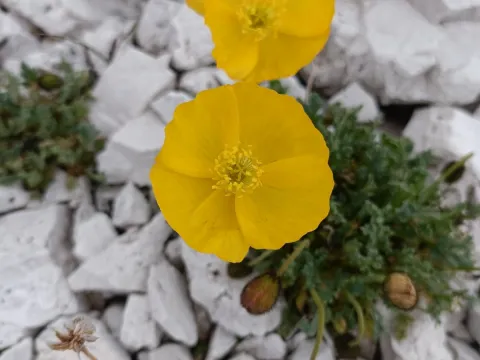
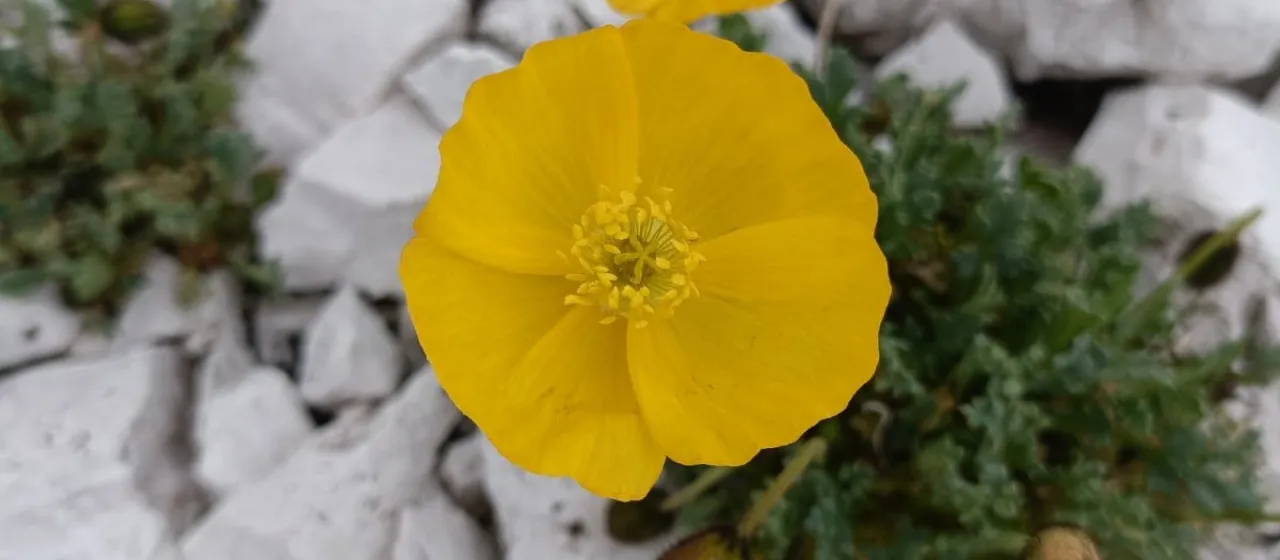
Western poppy (Papaver occidentale) is a perennial herbaceous plant belonging to the Papaveraceae family. As a specialized alpine species, it has evolved to thrive in harsh, high-altitude environments. Its unique physiological adaptations allow it to colonize rocky substrates where resources are sparse and the growing season is notably limited.
The native distribution of this species is confined to the mountain regions of Western North America. It is typically found on scree slopes, rocky outcrops, and thin soils. Because of its specific habitat requirements, the western poppy is primarily cultivated by specialty nurseries and alpine garden enthusiasts rather than as a field crop for mass agricultural production.
Botanically, the plant is characterized by a deep taproot that stabilizes it against shifting rocky ground. The foliage is arranged in a basal rosette, with finely divided, glaucus leaves that minimize water loss. The flowers are typically bowl-shaped with delicate, paper-thin petals. The seed capsules are relatively small and release seeds through pores, an evolutionary mechanism suited for dispersal in mountainous terrain.
Successful cultivation requires meticulous attention to drainage, which is the most critical factor for this species. The soil medium must be highly porous, such as a mix of gravel and sand, to prevent any moisture accumulation around the crown. The western poppy thrives in well-ventilated locations with full sun exposure. It is highly intolerant of high humidity, which can lead to rapid decay of the root system.
Regarding health management, western poppy is susceptible to fungal infections like powdery mildew, particularly when airflow is restricted. Pests such as aphids may congregate on developing flower buds. Preventive maintenance includes ensuring proper spacing and utilizing well-draining mineral soil to reduce the incidence of disease.
- Ensure superior drainage in all planting sites.
- Provide full sun for optimal flowering.
- Avoid excess nitrogen fertilizers to prevent leggy growth.
Photo gallery