Description
The feathered poppy (Papaver pinnatifidum) is an annual herbaceous plant belonging to the Papaveraceae family. While not typically grown as a major commercial crop, it represents a significant species within the poppy genus, noted for its distinct foliage and resilient growth characteristics, which make it a point of interest for botanical and ornamental sectors.
Originating from the Mediterranean basin and the Middle East, the feathered poppy has evolved to thrive in open, arid environments. Its natural habitat includes rocky slopes and disturbed lands, where it has developed a robust root system capable of extracting moisture and nutrients from challenging, low-fertility soils.
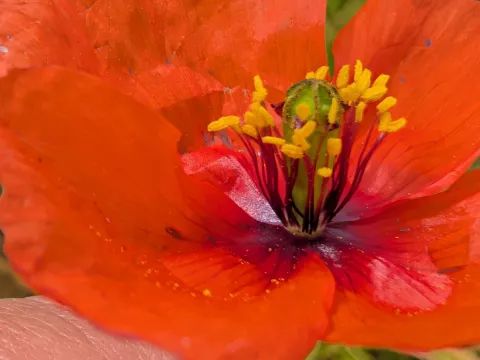
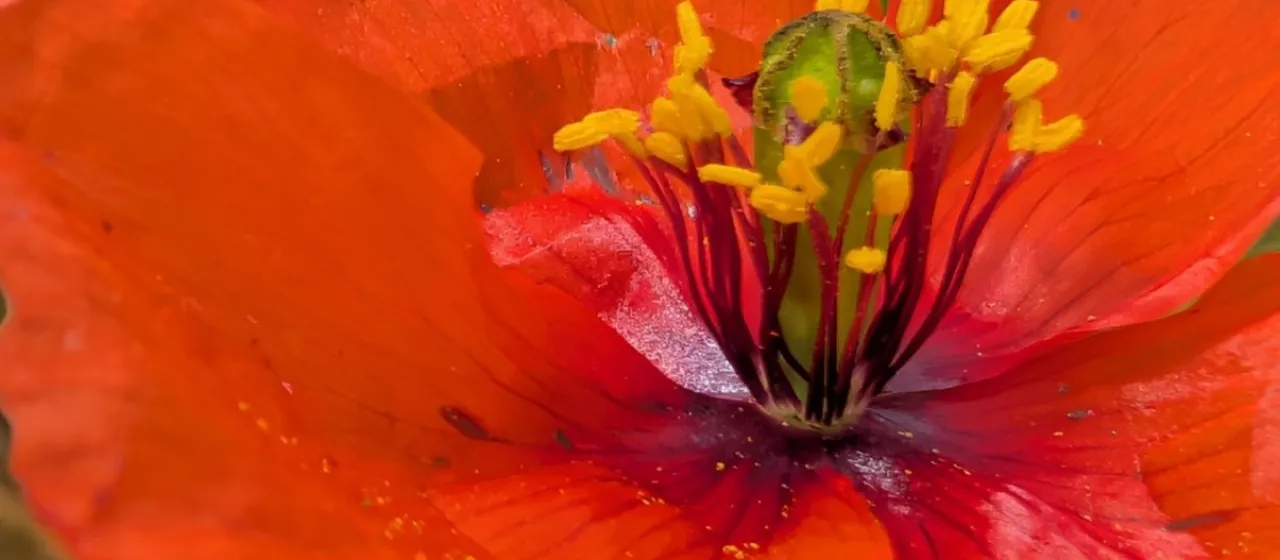
Botanically, the species is distinguished by its deeply lobed, feather-like leaves, which gives it a unique aesthetic appeal. The flowers maintain the classic poppy structure with four delicate petals, usually in shades of vibrant red or orange. Its reproductive strategy relies on the production of numerous small seeds, ensuring the continuation of the species in changing climates.
Regarding cultivation, the feathered poppy requires well-drained, sandy, or light loam soils with a neutral pH. It is highly sensitive to waterlogging, which can lead to rapid root degradation. As a field crop or garden plant, it is best managed by direct sowing in early spring, as its taproot system is sensitive to transplanting and disturbances during the early vegetative stages.
Economic and practical applications include its use in ecological restoration projects, landscaping, and as a component of wildflower meadows. Due to its hardiness, it serves as an excellent candidate for low-maintenance areas where soil quality is suboptimal. However, care must be taken to prevent unwanted spread, as its efficient seed dispersal makes it a competitive species.
- Exceptional drought resistance
- High demand for direct solar radiation
- Poor tolerance for poorly drained clay soils
- High potential for natural self-seeding
Common plant diseases include various forms of fungal wilt and powdery mildew, which often occur in humid microclimates. Major pests affecting this culture include aphids, which cluster on the buds and stems, and wireworms, which can devastate the root system of young seedlings. Proper field sanitation and monitoring are essential for maintaining plant health.
Photo gallery