Description
Pappophorum caespitosum, commonly known as pink pappusgrass, is a perennial grass species belonging to the Poaceae family. This plant is highly regarded in agronomy for its remarkable resilience and ability to thrive in arid and semi-arid environments where water resources are severely limited.
The native range of this grass is primarily located in the southwestern United States and northern Mexico. It is most frequently encountered in dry prairies, rocky slopes, and desert grasslands, where it forms an essential component of the local ecosystem's ground cover and biomass production.
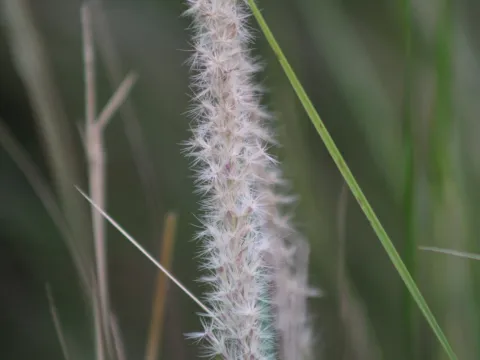
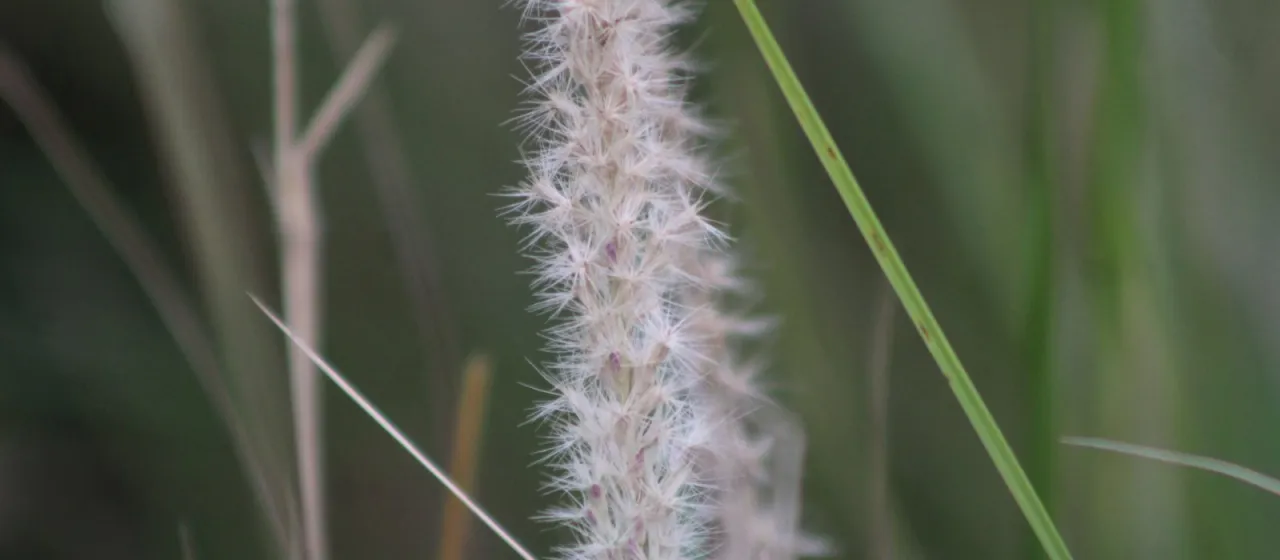
Botanically, this species is characterized by its tufted growth habit and stiff, slender stems. The inflorescence is a distinct, compact panicle that appears feathery due to the many awns present on the spikelets. This structure is perfectly adapted for seed dispersal by wind across open, dry terrains.
When considering agricultural requirements, the species is undemanding regarding soil fertility but thrives in well-drained, sandy, or rocky substrates. Its primary strength lies in its drought tolerance, which allows it to remain productive during periods when other forage grasses typically become dormant or dry out.
The main agricultural use for Pappophorum caespitosum is as a valuable forage grass for livestock. It provides necessary nutrients in harsh conditions and serves as an excellent candidate for range revegetation and soil stabilization projects aimed at preventing wind and water erosion on degraded lands.
In terms of plant health, this grass is generally robust and resistant to most common pests. However, it can be susceptible to fungal pathogens like rusts during unusually humid weather. Effective management involves moderate grazing pressure to ensure the plant's long-term sustainability and healthy seed production cycles.
Photo gallery