Description
Paracaryum lithospermifolium is a perennial herbaceous plant belonging to the Boraginaceae family. While not a conventional staple crop, it possesses significant potential for arid-land restoration and xeriscaping projects due to its unique physiological adaptations that allow it to thrive in nutrient-poor, harsh environments.
Native to the mountainous and steppe regions of Western Asia, this species has adapted to survive in extreme continental climates. Its natural habitat is typically characterized by rocky substrates, high solar radiation, and limited precipitation, which has shaped its robust survival strategy throughout its evolutionary history.
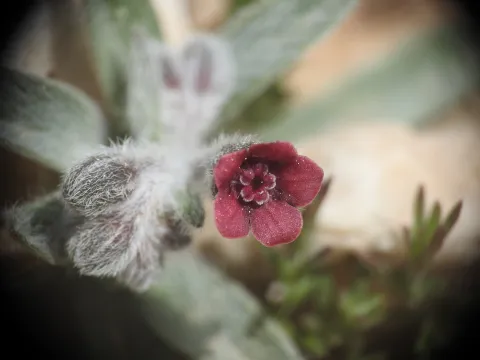
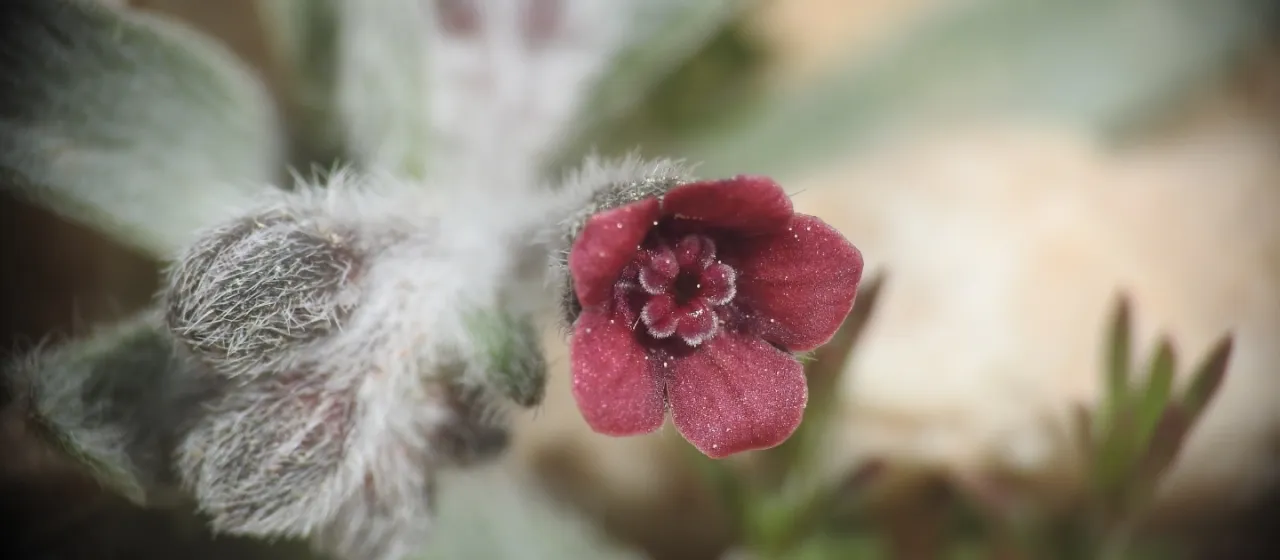
Botanically, the plant is distinguished by its pubescent leaves and stems, which act as a cooling mechanism and water-retention aid. The root system is deep and highly branched, providing excellent anchorage and moisture extraction capabilities. Its reproductive cycle is synchronized with seasonal precipitation, ensuring survival during the driest months of the year.
In terms of agrotechnology, successful cultivation requires well-drained, porous soils, ideally with a high mineral fraction. The plant is intolerant of waterlogging, which necessitates careful site selection and the avoidance of compacted or heavy clay soils. Low-input management is possible, as the plant is well-adapted to environments with minimal nutrient enrichment.
The primary utility of the plant lies in its capacity for soil erosion control and as a component of biodiversity-rich xeriscaping schemes. Pathological risks include root rot induced by fungal infections under excessive soil moisture. Pests such as aphids and leaf-eating beetles may require monitoring during the early stages of establishment, although the plant typically demonstrates high resilience to stressors.
Photo gallery