Description
The rustyback fern (Paraceterach marantae), formerly categorized under the genus Ceterach, is a perennial fern belonging to the Aspleniaceae family. This species is highly specialized for life in craggy, rocky environments, showcasing remarkable survival mechanisms in nutrient-poor substrates.
The native range of this plant includes Mediterranean regions, the Caucasus, and parts of Asia and Europe. In its natural habitat, it is primarily found in rock crevices, which dictates its specific needs regarding drainage and gas exchange in the root zone. The plant is well-adapted to Mediterranean climates with distinct wet and dry seasons.
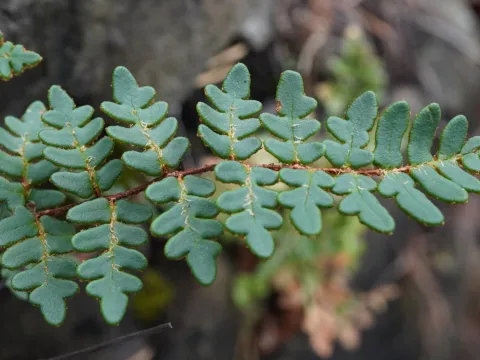
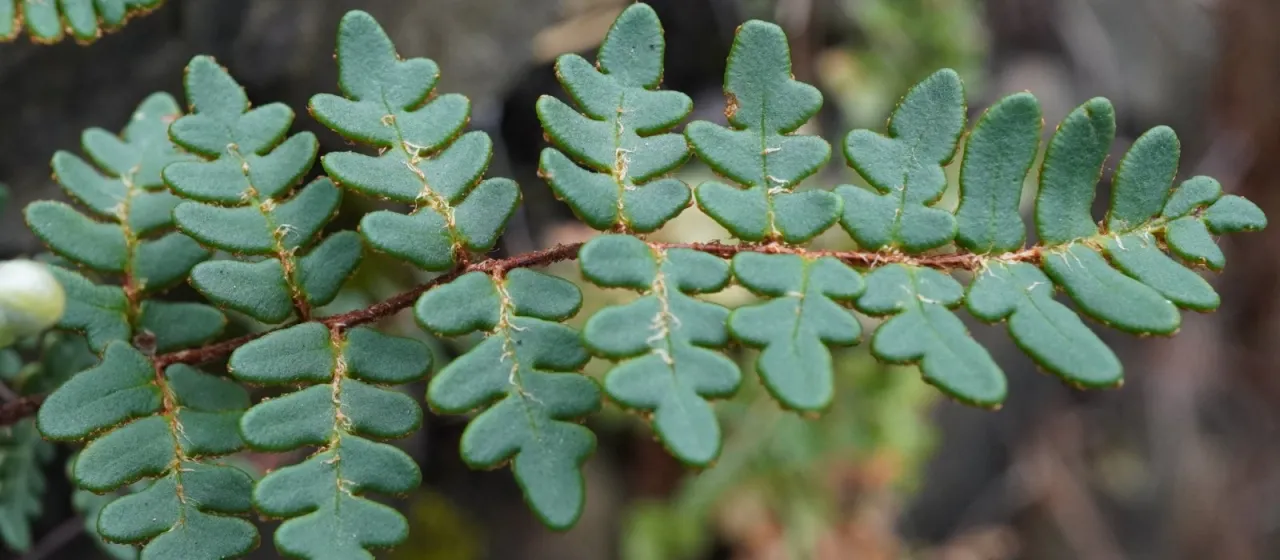
Botanically, the species is defined by its small, compact fronds that possess a distinctive scaly underside, which is a key adaptation for water retention and protection against desiccation. Its reproductive system involves the production of spores, which require specific temperature and moisture conditions for successful germination in the wild.
Agricultural and gardening requirements focus heavily on soil structure; high permeability is mandatory. Gardeners should provide a limestone-rich, gritty medium to prevent water stagnation.
- Ensure excellent drainage
- Provide partial shade
- Avoid excessive mineral fertilization
In terms of usage, the plant is primarily cultivated by enthusiasts for rock gardens, stone wall landscaping, and dry-shade environments. Diseases typically include fungal pathogens resulting from overwatering or lack of airflow, while pests such as spider mites may occur if the ambient humidity is kept consistently too low.
Photo gallery