Description
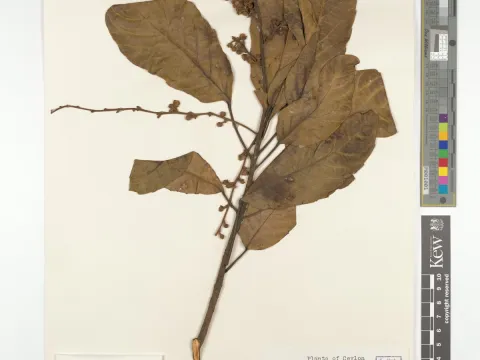
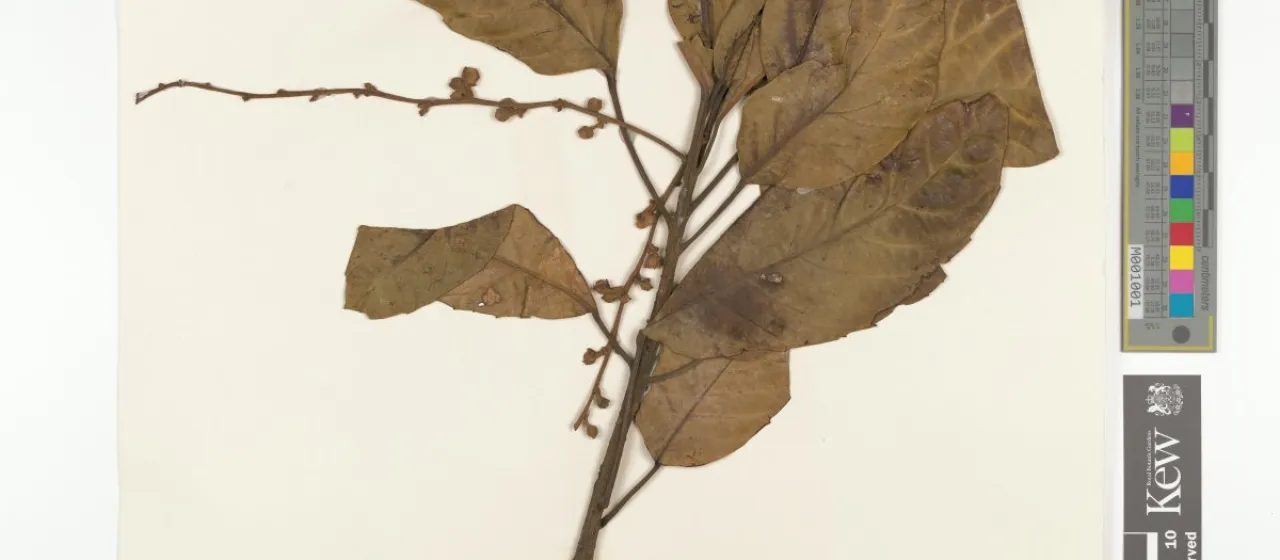
Paracroton zeylanicus is a woody plant belonging to the Euphorbiaceae family. Within the botanical hierarchy, it is recognized as a distinctive species that exemplifies the diversity of tropical flora, having evolved specialized structures to survive in competitive forest environments.
The native distribution of this species is primarily centered on Sri Lanka, where it thrives in humid tropical rainforests. It is typically found in the understory layer, where it benefits from the protection of the forest canopy, adapting to low-light conditions and high humidity throughout the year.
Morphologically, Paracroton zeylanicus is noted for its simple leaves and the milky latex present throughout its tissues, which is a hallmark of the Euphorbiaceae family. The plant develops small, structurally complex flowers designed to attract specific local pollinators. Its growth pattern is slow, allowing for the accumulation of woody biomass over time.
Cultivation requirements for this species include nutrient-rich, well-draining soil and a consistent tropical climate. It is intolerant of frost and extreme drought, requiring a stable water supply to maintain healthy foliage. In a nursery setting, it requires moderate shade and high ambient humidity to mimic its natural environmental conditions.
The economic value of Paracroton zeylanicus lies mainly in its phytochemical profile, which is of interest to pharmacological research. Historically, various parts of the plant have been utilized in traditional local remedies. While it is not a major agricultural crop, it remains a significant botanical subject for conservationists and pharmacologists studying tropical biodiversity.
- Family: Euphorbiaceae
- Habitat: Humid tropical forests
- Propagation: Seeds or cuttings
- Maintenance: High humidity, filtered light
- Primary threats: Habitat fragmentation, fungal pathogens
Photo gallery