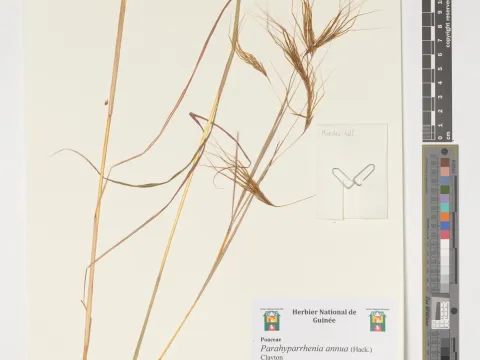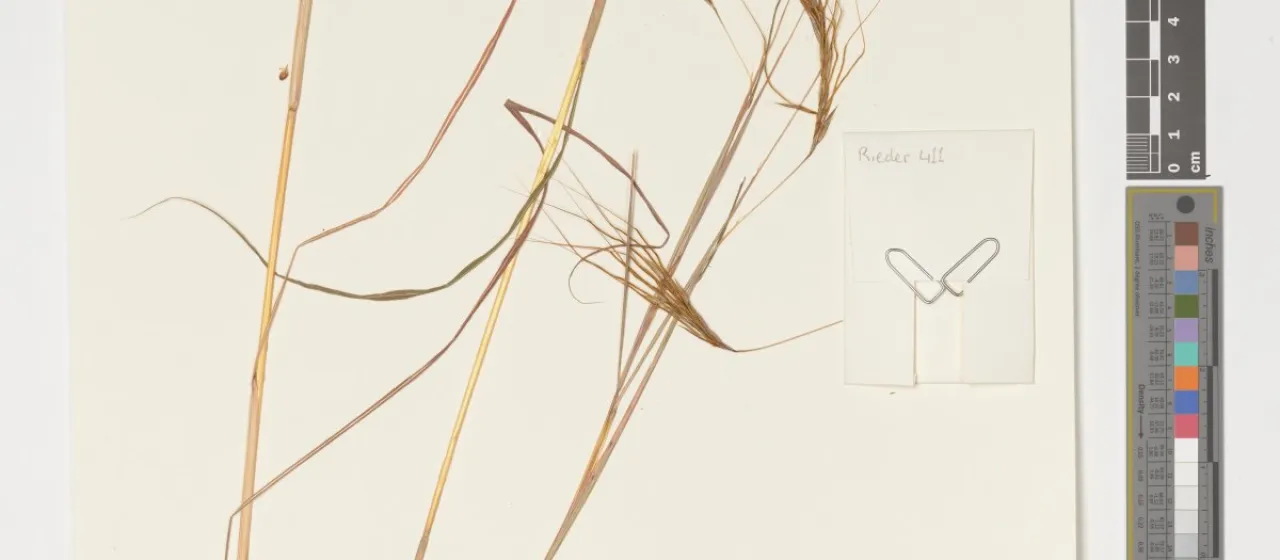
Description
Parahyparrhenia annua is a grass species belonging to the Poaceae (true grasses) family. As an annual plant, it is specifically adapted to tropical ecosystems where environmental conditions fluctuate significantly throughout the year, necessitating a rapid growth cycle for biological survival.
The origin of this species is traced to the tropical regions of Africa. It thrives in savannah environments, having evolved to synchronize its vegetative growth with the rainy season. Because of this specialized ecological niche, it is generally found in wild grasslands, though its role as a potential fodder resource remains a subject of regional agronomic interest.
Botanically, the species is characterized by a slender stem architecture and narrow leaf blades that optimize transpiration under high temperatures. Its root system is developed to quickly extract moisture from the upper soil horizons during the short growing season. The reproductive structures consist of delicate, wind-pollinated inflorescences typical of the Andropogoneae tribe.
Key agronomic and environmental requirements include:
- Optimal growth temperatures between 25°C and 32°C.
- Well-drained soils with good organic matter content.
- High intensity of solar radiation for photosynthetic activity.
- Avoidance of waterlogged areas to prevent physiological stress.
From a utilization standpoint, the plant is primarily harvested by grazing livestock. There is limited data on specific crop pests, though like many tropical grasses, it may be susceptible to rusts or leaf-spotting fungi under high humidity. Agronomic management should focus on maintaining soil health and preventing soil compaction to support the shallow root system.
Photo gallery