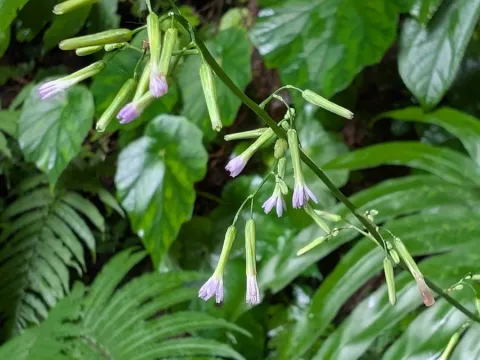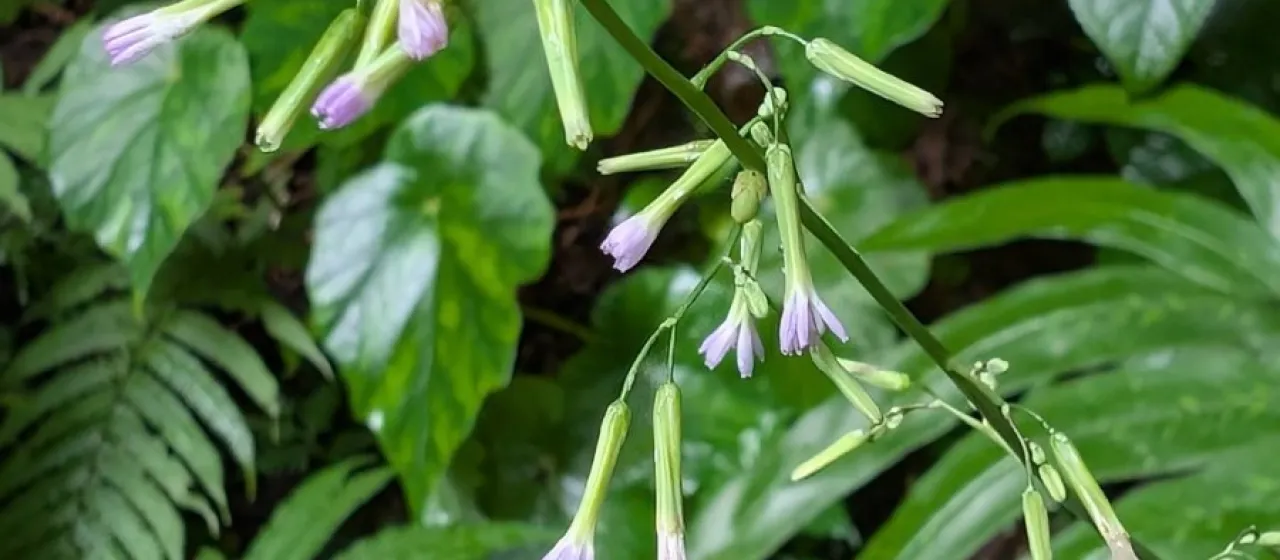
Description
Paraprenanthes sororia is a perennial herbaceous plant belonging to the large and diverse Asteraceae family. While not yet a mainstream industrial crop, it is gaining interest in botanical circles for its unique structural characteristics and potential applications in pharmaceutical research, where it is valued for its secondary metabolites.
The plant is native to the temperate and subtropical regions of East Asia. Its natural habitat is typically characterized by moist, well-drained soils found in mountain slopes and forest understories. This evolutionary history dictates its specific environmental preferences, favoring locations that provide consistent humidity and protection from extreme solar intensity.
Botanically, it features a distinct morphology with a central upright stem and a series of basal leaves. The inflorescences are typical of the Asteraceae family, consisting of small, densely packed florets. The root system is generally fibrous and requires adequate soil volume to support the vegetative growth of the plant throughout the season.
Agricultural requirements for successful cultivation involve mimicking its natural environment. It thrives best in rich, loamy soils with high organic matter content and a pH range between 6.0 and 7.0. Proper water management is essential; while the plant requires consistent moisture, it must be protected from waterlogged conditions to prevent root rot.
When considering health management for this crop, producers should be aware of common pests such as aphids and spider mites, as well as fungal pathogens triggered by poor air circulation. Implementing proper spacing and integrated pest management (IPM) strategies remains the most effective way to ensure high-quality yields in both greenhouse and outdoor environments.
Photo gallery