Description
Paraquilegia microphylla is an exquisite perennial herb belonging to the family Ranunculaceae. Although it is not a large-scale agricultural crop, it is a highly prized species in specialized ornamental horticulture, known for its elegant foliage and striking flowers that bring the beauty of the high mountains to temperate gardens.
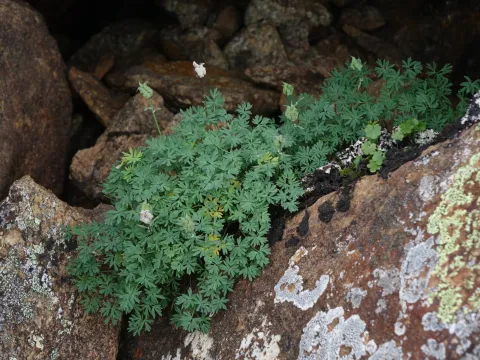
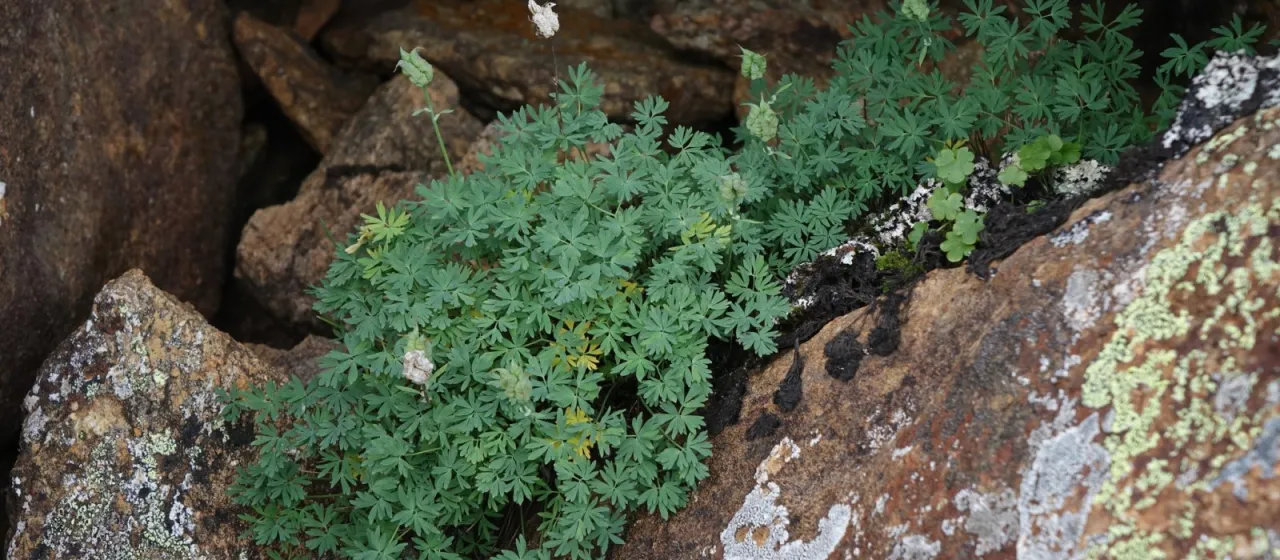
The plant originates from the high-altitude regions of Central and East Asia, specifically thriving in the harsh climates of the Himalayas, Altai, and Tibet. It naturally grows in rock crevices and gravelly slopes, where it has evolved to withstand extreme temperature fluctuations and survive in very poor, rocky substrates.
Botanically, it forms delicate, cushion-like mats of finely divided, lacy foliage. The flowers are relatively large compared to the plant's size, typically displaying shades of blue, violet, or white. The plant's architecture is a testament to its adaptation to narrow spaces where few other species can survive, making it a masterpiece of evolutionary design.
Cultivation requirements are strict: gardeners must provide excellent drainage, as the species is highly susceptible to root rot if moisture lingers. The ideal substrate is a mineral-rich, alkaline, and gritty soil mix. Positioning the plant in a way that protects the crown from winter wetness is crucial, often achieved by planting it in vertical crevices of rock walls or stone troughs.
The primary use of this plant is in alpine gardening, specialized rockeries, and botanical collections. While generally hardy, the species is prone to fungal infections if aeration is poor or if the site remains too humid. Pest management primarily involves monitoring for common garden pests like aphids or spider mites, which can be managed with balanced cultural practices and proper ventilation.
Photo gallery