Description
Pararchidendron pruinosum is a fast-growing evergreen tree species belonging to the Fabaceae family. Commonly referred to as the snow wood, this tree is notable for its rapid growth rate and aesthetic appeal in tropical landscapes. It is a perennial plant that can reach significant heights, often serving as a canopy tree in native Australian rainforest ecosystems.
Originating from the eastern coastal regions of Australia and Papua New Guinea, the tree thrives in tropical and subtropical environments. It is well-adapted to high-humidity climates but requires areas free from heavy frosts to reach its full potential. The species has been increasingly utilized in reforestation projects due to its ability to stabilize soil and improve nutrient levels through nitrogen fixation.
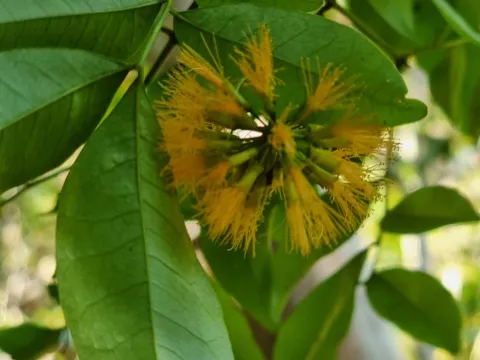
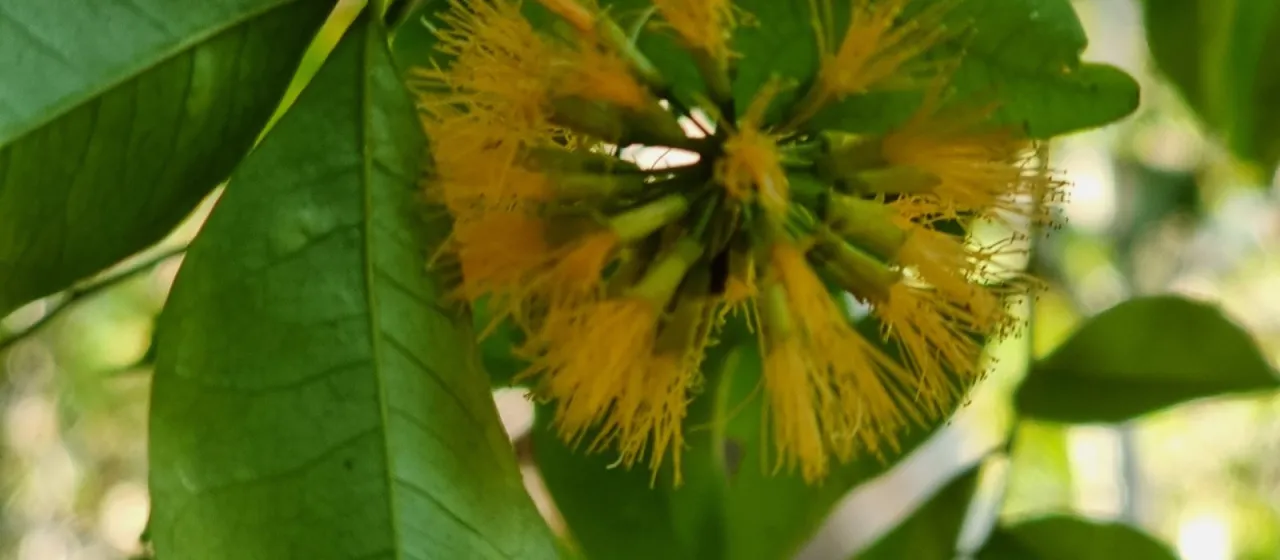
The botanical profile of the tree features bipinnate leaves and small, distinctive flowers clustered into globular heads. The foliage often displays a glaucous, frost-like appearance, which is the source of its scientific name. The fruits are spirally twisted pods containing seeds that ripen during the drier months. Its root system is deep and efficient at extracting minerals from diverse soil types.
Regarding agronomy and cultivation, the tree prefers deep, well-drained loamy soils with a neutral pH. While it is relatively hardy, young trees require consistent irrigation until their root systems are fully established. Providing protection from extreme winds and heavy exposure during the initial stages of growth is crucial for successful establishment in commercial or ornamental settings.
- Strategic site selection with adequate sunlight exposure.
- Application of organic mulch to maintain soil moisture.
- Annual pruning to ensure structural integrity of the branches.
- Integrated pest management to control potential leaf-eating insects.
Economically, the species is valued for its durable timber, used in local woodworking and construction. Its ecological value in agroforestry is significant, as the tree provides shade and soil enrichment. Potential threats include various pathogens that cause root rot under waterlogged conditions and localized infestations of borers that can damage the trunk if the tree is under physiological stress.
Photo gallery