Description
Parasenegalia visco is a perennial woody plant belonging to the Fabaceae family. Formerly classified within the Acacia genus, it is now recognized as a distinct genus under the name Parasenegalia. This tree is highly valued for its ability to thrive in arid and semi-arid environments where other species fail to survive.
Native to the subtropical regions of South America, primarily Argentina and Bolivia, this species is well-adapted to rocky and nutrient-poor soils. It is typically found in xerophytic forests and scrublands. Due to its robustness, it has become an important subject for reforestation programs and dryland agriculture initiatives globally.
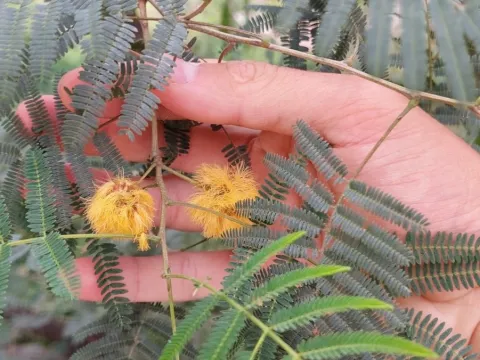
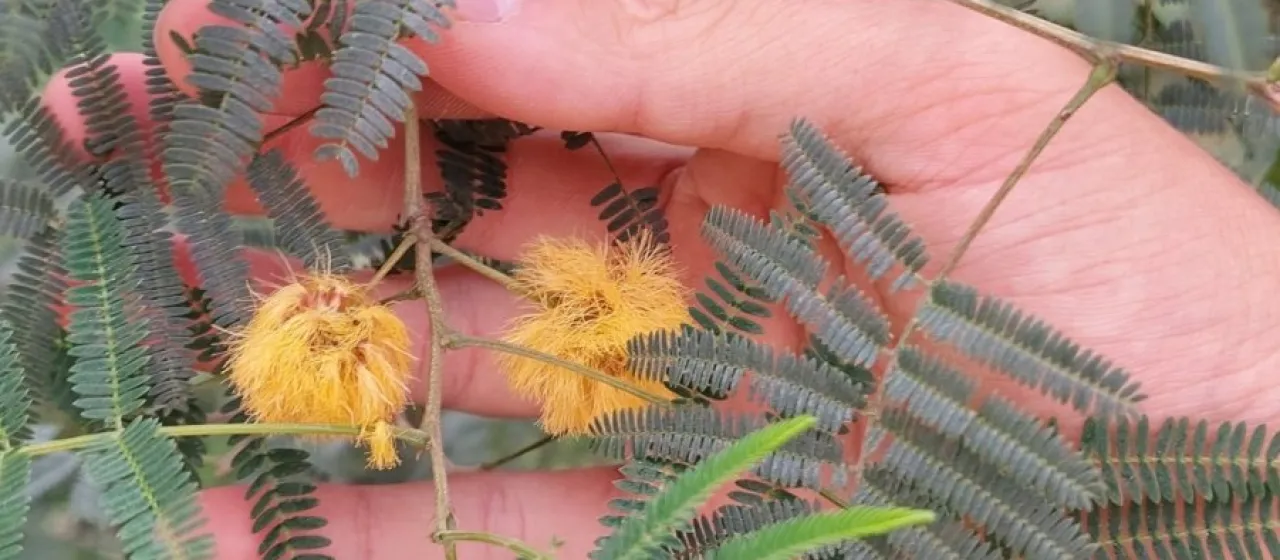
Botanically, the tree is characterized by its feathery, compound leaves which are an adaptation to drought. It produces small, yellow, fragrant flowers in dense clusters. The fruits are flattened, dry pods typical of the Mimosoideae subfamily. The root system is deep and expansive, allowing the tree to access groundwater deep within the soil profile.
Agronomically, the crop requires well-drained soil and plenty of direct sunlight. While it is highly drought-tolerant once established, young saplings require consistent moisture to develop a strong root system. It thrives in soils with low fertility, partly due to its ability to fix atmospheric nitrogen through a symbiotic relationship with soil bacteria.
The economic and practical applications of this plant include:
- Erosion control in arid and degraded landscapes.
- Timber production for construction and craft.
- Fodder supply for livestock during the dry season.
- Urban landscaping in hot and dry climates.
In terms of plant health, the main challenges include fungal infections of the roots caused by waterlogging and infestations by wood-boring insects. Sustainable pest management involves maintaining appropriate planting density to ensure proper airflow and utilizing integrated management practices to protect the plantation from excessive damage by defoliating insects.
Photo gallery