Description
Moluccan albizia (Paraserianthes falcataria), formerly known as Albizia falcataria, is a fast-growing tree belonging to the Fabaceae family. It is recognized as one of the fastest-growing tree species in the world, capable of achieving remarkable size in a short period, which makes it highly sought after for industrial forestry in tropical climates.
The species is native to the Maluku Islands, New Guinea, and the Bismarck Archipelago. Its current cultivation range spans across tropical regions worldwide, including Indonesia, Malaysia, the Philippines, and many Pacific island nations, where it is extensively used for reforestation projects and commercial timber plantations.
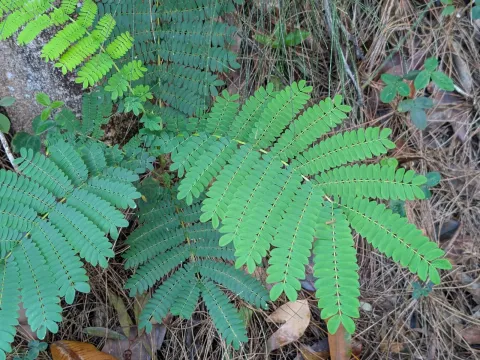
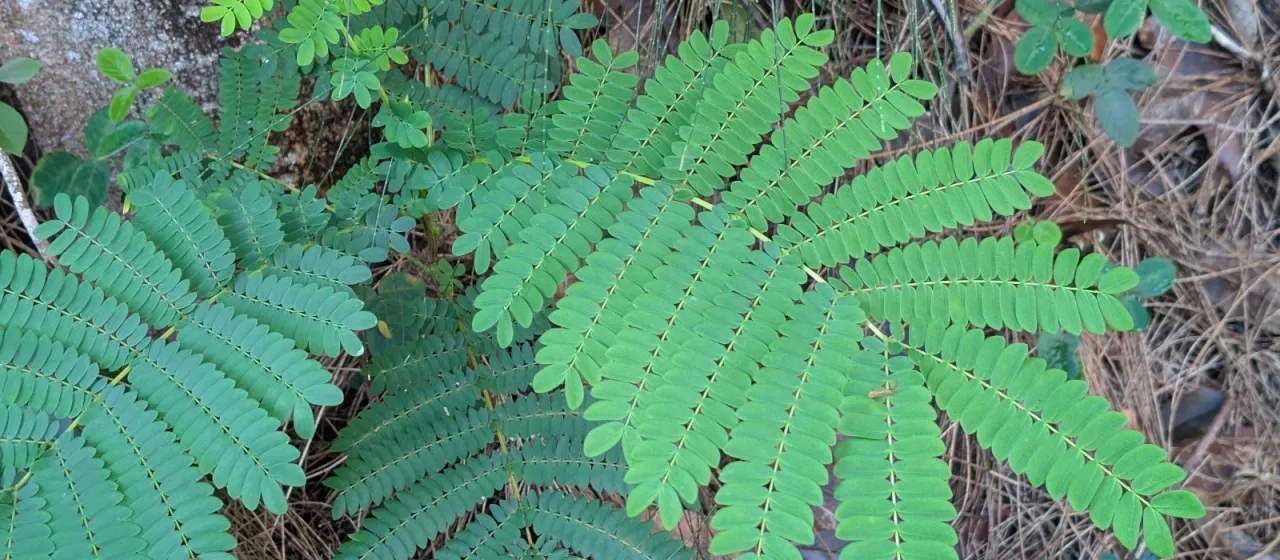
Botanically, this tree features a spreading canopy and bipinnate leaves. Its root system forms a symbiotic relationship with nitrogen-fixing bacteria, which allows the tree to enrich nutrient-poor soils. It produces small, yellowish-white flowers in clusters. The tree requires a warm, humid climate and is highly susceptible to frost, limiting its distribution to tropical zones.
Successful cultivation requires deep, well-drained soils with a neutral to slightly acidic pH. As a light-demanding species, proper spacing is crucial during planting to ensure uniform sunlight exposure. Standard silvicultural practices involve managing stand density and regular thinning to promote the development of straight, high-quality timber logs.
- Used for lightweight timber production (plywood, matchsticks).
- Provides shade in agroforestry systems for coffee and tea plantations.
- Effective for soil erosion control due to its extensive root network.
- Widely utilized in the pulp and paper industry for its high biomass production rate.
The main threats to plantations include fungal diseases like leaf spot and root rot, which thrive in high-humidity environments. Among pests, stem borers and various moth larvae are considered the most destructive, often causing significant damage to young seedlings in nurseries and established plantations.
Photo gallery