Description
Paraserianthes lophantha, commonly known as the Cape Leeuwin wattle, is a fast-growing evergreen shrub or small tree belonging to the Fabaceae family. Its reputation in agricultural contexts is built upon its remarkable growth rate and its ecological role as a nitrogen-fixing plant that improves soil fertility.
The species originates from Western Australia but has naturalized in many parts of the world with Mediterranean or subtropical climates. While its rapid growth makes it an excellent candidate for land reclamation, its aggressive potential in some environments requires careful management to ensure it does not outcompete indigenous vegetation.
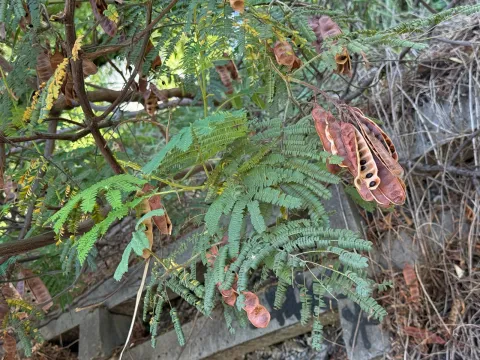
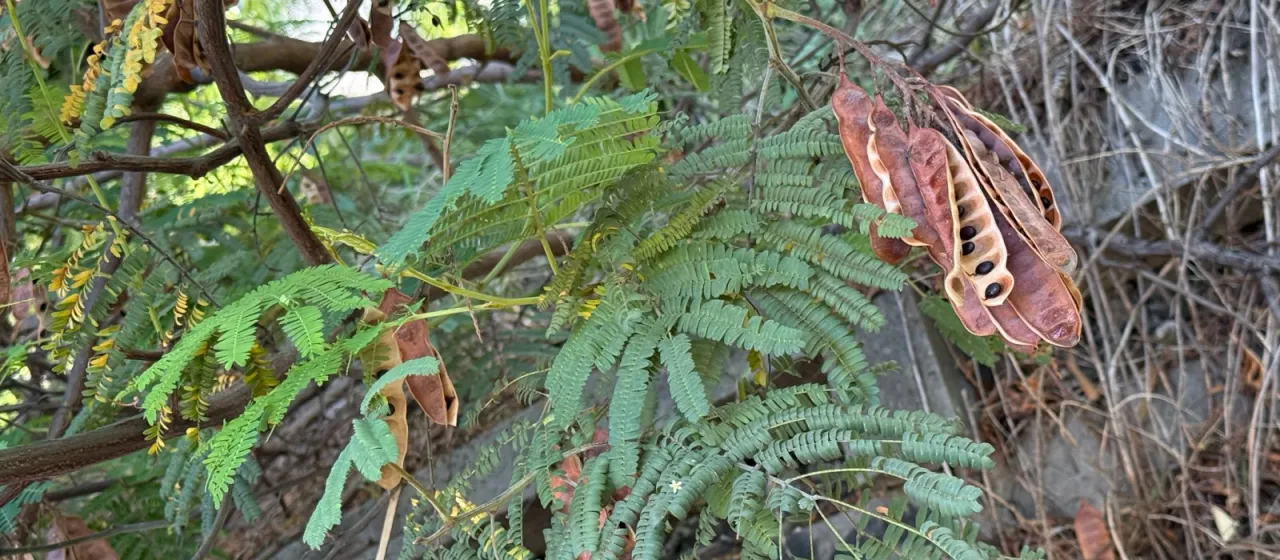
Botanically, the plant is recognized by its bipinnate, fern-like leaves and unique, bottle-brush-shaped flower spikes. These spikes are typically pale yellow or creamy in color, providing significant nectar for pollinators. The tree can grow up to 10 meters in height under optimal conditions, often reaching its full size within a few years of planting.
Agronomic requirements are relatively straightforward. The species thrives in well-drained, slightly acidic to neutral soils and prefers full sun. It is moderately drought-tolerant once established but requires consistent irrigation during its initial growth phase. It is not cold-hardy, suffering significant damage when exposed to sustained freezing temperatures, which limits its outdoor cultivation to milder climatic zones.
Economically, Paraserianthes lophantha is primarily valued for land stabilization and erosion control. In sustainable agricultural systems, it serves as a nurse plant, protecting smaller crops from wind and replenishing soil nitrogen levels. Furthermore, its aesthetic appeal makes it a popular choice for urban landscaping and screen planting in suburban environments.
Typical pests and health issues include:
- Scale insects and aphids which cluster on tender new foliage.
- Root rot pathogens triggered by poor drainage or overwatering.
- Spider mites during periods of prolonged drought and low humidity.
Photo gallery