Description
Paris incompleta is a perennial herbaceous plant belonging to the Melanthiaceae family. While not a conventional agricultural crop, it remains a subject of botanical and pharmaceutical interest due to its specific chemical composition and its role in mountain forest ecosystems.
The origin of Paris incompleta is primarily linked to the Caucasus region. It naturally occurs in moist, shaded forest areas, thriving in humus-rich, well-drained soils. Its environmental requirements are strictly tied to high humidity levels and the temperate, cool climate found in shaded forest understories.
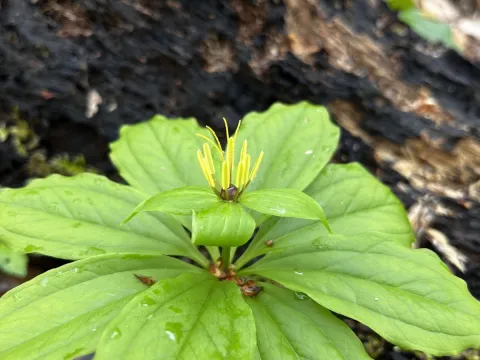
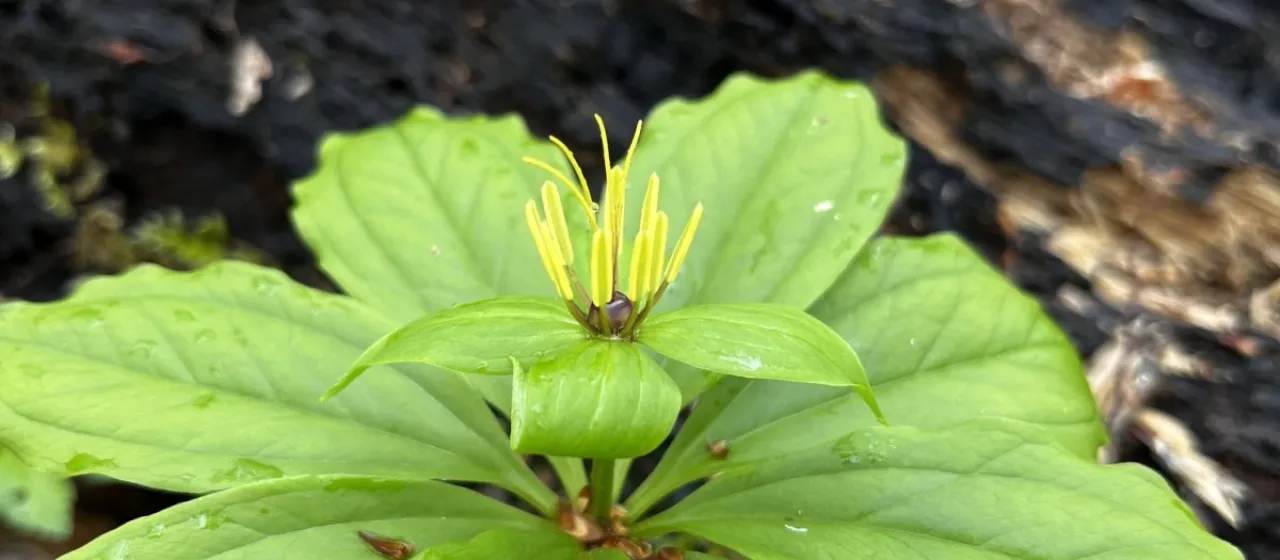
The botanical structure is defined by a singular stem topped with a whorl of leaves and a solitary terminal flower. A key feature of this specific species is the reduction of perianth segments, specifically the absence of petals, which gives the plant its unique, incomplete look compared to other members of the Paris genus.
Cultivation practices, when attempted in controlled settings, involve mimicking forest floor conditions. This includes maintaining consistent moisture, using organic mulch to preserve soil cooling, and providing adequate shade to prevent foliage burn. The plant propagates slowly, making its commercial cultivation quite labor-intensive and challenging.
The primary utility of the plant lies in its secondary metabolites, such as steroidal saponins, which are studied for their potential in pharmacological applications. However, due to its inherent toxicity, Paris incompleta is not used in general agriculture and requires professional handling in medical research to isolate safe active compounds.
- Family: Melanthiaceae
- Genus: Paris
- Habitat: Humid forest zones
- Chemical potential: Saponins, alkaloids
- Note: High toxicity, not for ingestion
Photo gallery