
Paris japonica
Paris japonica
Description
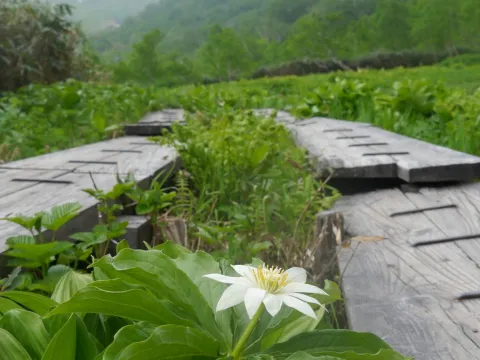
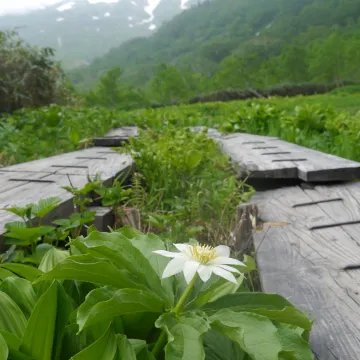
Paris japonica is a perennial herbaceous plant belonging to the Melanthiaceae family. It is a rare endemic species native to the high-mountain forests of Japan, renowned in botany for possessing one of the largest genomes among all flowering plants, which contributes to its slow growth habit.
The natural habitat of this plant consists of moist, shaded woodland environments within subalpine zones. In agricultural and horticultural contexts, it is classified as a collector's plant that requires specialized environmental conditions. It demands high levels of atmospheric humidity and stable soil temperatures to thrive outside its native range.
Botanically, Paris japonica is characterized by a single erect stem bearing a whorl of broad, lanceolate leaves and a single, elegant flower. The flower typically displays a symmetrical arrangement of sepals and petals. Its root system is comprised of a creeping rhizome that requires sufficient organic matter to develop properly.
Successful cultivation relies on well-draining, humus-rich soil with a slightly acidic profile. Agronomic efforts should focus on replicating woodland soil structures and maintaining consistent moisture levels without waterlogging. Mulching with natural leaf litter is recommended to protect the root zone from temperature extremes and soil compaction.
Common issues in the cultivation of this species include susceptibility to slug and snail damage, which can devastate the foliage. Overwatering or poor drainage often leads to fungal pathogens affecting the rhizome. Due to its slow growth, the plant is primarily used in specialized shade garden designs and botanical collections.
Photo gallery