Paris tetraphylla
Paris tetraphylla
Description
Paris tetraphylla is a perennial herbaceous plant belonging to the Melanthiaceae family. It is recognized primarily for its medicinal significance in East Asian traditional practices. As a niche agricultural crop, it requires specialized cultivation techniques that reflect its natural habitat preferences, focusing on the quality of its rhizomes, which contain the desired active compounds.
The native range of this species covers parts of China, Japan, and the Korean Peninsula. It typically grows in moist, temperate forests, which implies that agricultural cultivation must focus on mimicking these forest-floor conditions. Successful production depends on shading and maintaining consistent moisture levels to sustain plant health throughout its long growth cycle.
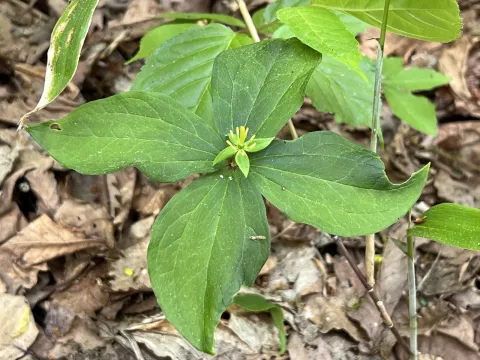
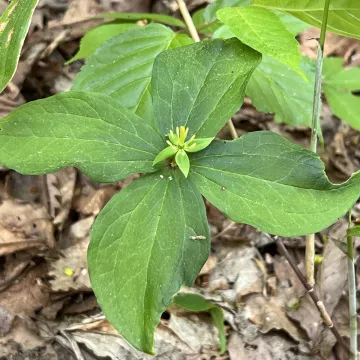
Botanically, the plant is characterized by a single stalk with a whorl of four leaves and a solitary apical flower. The rhizome serves as the storage organ for secondary metabolites, which are essential for its pharmacological applications. Growth is generally slow, necessitating a patient management approach where the plant is allowed to mature over several years before harvesting the rhizomes.
Agricultural requirements include loose, well-draining, humus-rich soil with a neutral to slightly acidic pH. Consistent soil moisture is vital, often managed through organic mulching to prevent desiccation and temperature spikes. Field management must prioritize site selection in naturally shaded or artificially screened areas to prevent leaf scorching and stress.
- Site selection with partial shade
- Use of organic compost for soil enrichment
- Regular moisture monitoring and irrigation
- Protection against gastropods and snails
The crop is mainly harvested for the pharmaceutical industry to utilize its therapeutic properties. Growers must be vigilant against fungal infections such as root rot, which often occur in waterlogged conditions. Pests like slugs and snails are also significant threats, requiring integrated pest management strategies to protect the foliage and ensure the plant's long-term viability in the field.
Photo gallery