Description
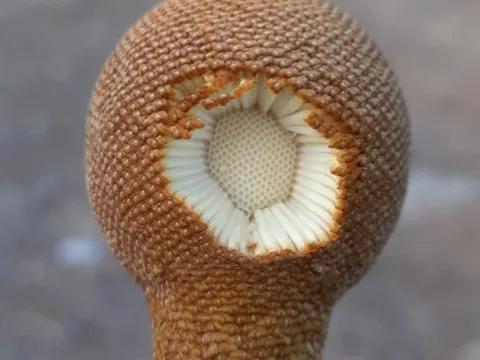
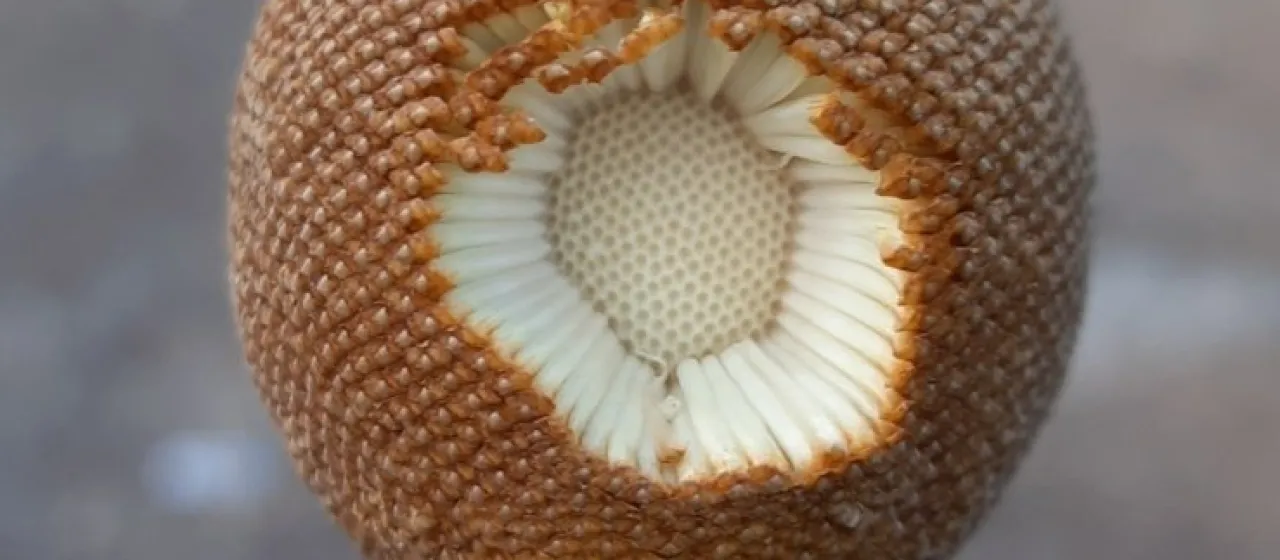
Parkia biglandulosa is a fast-growing tree belonging to the family Fabaceae, specifically the subfamily Mimosoideae. It is widely recognized for its distinctive, pendulous, drumstick-shaped flower heads that bloom in clusters. This species is highly valued in tropical regions for its ability to provide shade, improve soil health, and serve as an ornamental plant in large landscapes.
The native range of this tree is primarily found in tropical Asia, particularly in India. It thrives in warm, humid climates and is well-adapted to environments where consistent moisture is available throughout the growing season. The tree's natural habitat includes tropical rainforest margins and savannah-like zones where it can access deep groundwater reserves as it matures.
Botanically, Parkia biglandulosa is characterized by bipinnate leaves and unique inflorescences that are nocturnal and pollinated by specialized fauna. One of its most significant agronomic features is the ability of its roots to form nodules with nitrogen-fixing bacteria. This symbiotic process significantly increases nitrogen availability in the soil, making it a highly desirable species for intercropping and agroforestry systems.
Agricultural requirements for successful growth include access to full sun and well-draining, nutrient-rich soils. While the tree is robust, initial establishment requires consistent irrigation to help it develop a strong root system. Pruning is essential in controlled environments to prevent overcrowding and to maintain a structural balance, as the rapid growth of this species can lead to brittle branches if not managed.
The хозяйственное (economic) use of the tree is diverse and multifaceted:
- Soil fertility enhancement through biological nitrogen fixation.
- Utilization as a fast-growing windbreak in agricultural fields.
- Timber production for light carpentry and local construction projects.
- Environmental restoration and carbon sequestration efforts in tropical zones.
Like many tropical tree species, Parkia biglandulosa is susceptible to various pests and diseases, particularly fungal pathogens that thrive in high-humidity conditions. Common pests include aphids and leaf-eating beetles. Effective management involves regular orchard monitoring and ensuring adequate spacing between trees to improve airflow and reduce the incidence of contagious plant diseases.
Photo gallery