Description
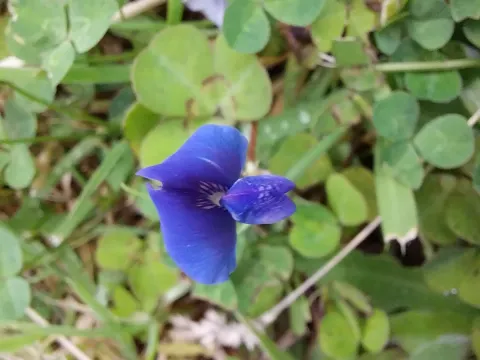
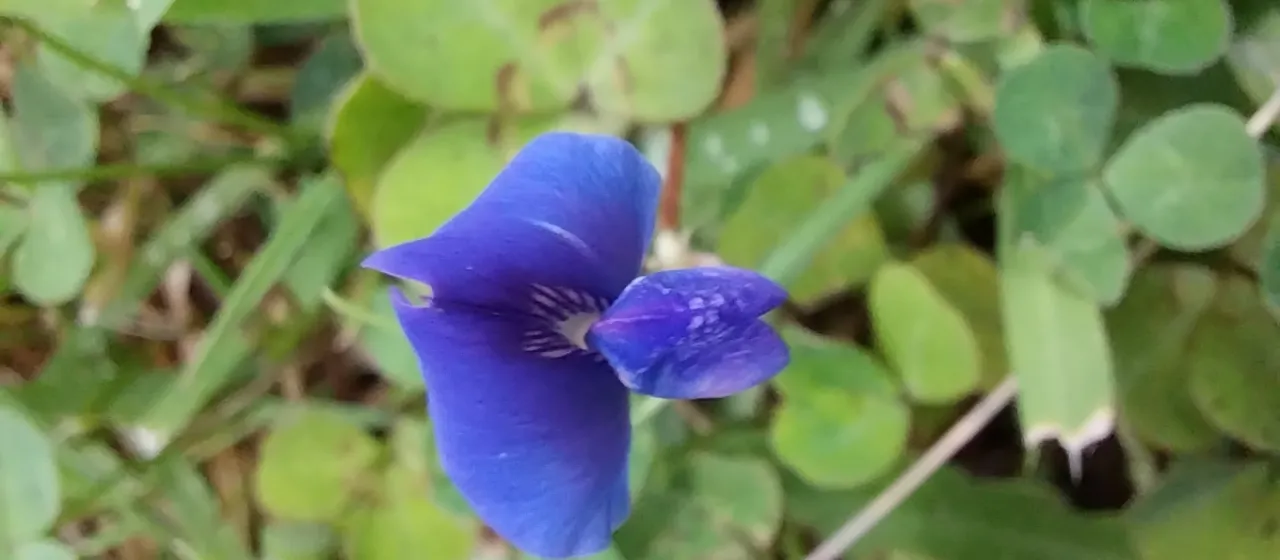
Parochetus communis, widely known as the blue pea flower, is a perennial herb belonging to the Fabaceae family. It is prized by gardeners for its vibrant, bright blue flowers that resemble those of common garden peas. As a prostrate plant, it spreads horizontally, making it an excellent candidate for ground cover in specific environmental conditions.
The species originates from the mountainous regions of tropical Asia, including the Himalayas, and parts of East Africa. In its natural habitat, it thrives in cool, moist, and shaded environments such as forest floors and stream banks. This geographical background dictates the specific cultivation requirements for the plant in modern agricultural or gardening settings.
Botanically, the plant is characterized by trifoliate leaves, which often display a distinct pale central marking, and trailing stems that root at the nodes. The flowers are typically solitary and possess an intense cerulean hue. These features contribute to its aesthetic value, making it a popular choice for rock gardens and moist, shaded borders.
Successful cultivation requires a position in partial shade and soil that is consistently moist but well-drained. The plant is not frost-hardy and requires protection from temperatures below freezing. Regular watering is essential, as the plant reacts poorly to dehydration, and organic mulch is often used to maintain soil moisture levels during the warmer growing season.
In terms of management, the main threats are gastropods, such as slugs and snails, which feed on the foliage, and root rot caused by poor drainage. Maintenance involves ensuring high air circulation around the plants and managing soil fertility through light compost application. Its use is predominantly ornamental, providing a unique texture and color profile in temperate and subtropical climates.
Photo gallery