Pascalia glauca
Pascalia glauca
Description
Pascalia glauca is a perennial herbaceous plant belonging to the Asteraceae family. In agricultural practices, it is recognized as a significant forage crop known for its high adaptability to diverse environments. The plant is particularly valued in livestock farming for its nutritional profile and its remarkable ability to regenerate quickly after grazing or harvesting.
This species is native to South America, primarily flourishing in regions such as Argentina, Chile, and Uruguay. In these native habitats, it serves as a natural and essential component of pasture lands. In recent decades, agronomists in other parts of the world with temperate and subtropical climates have begun to evaluate the plant as a potential source of high-quality green fodder for cattle.
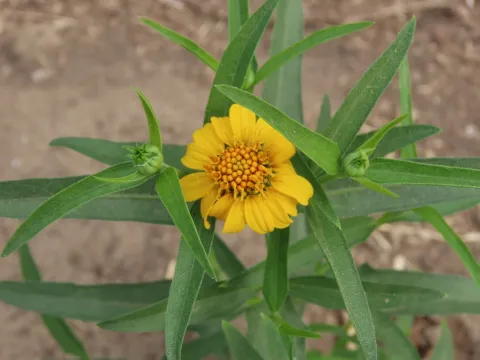
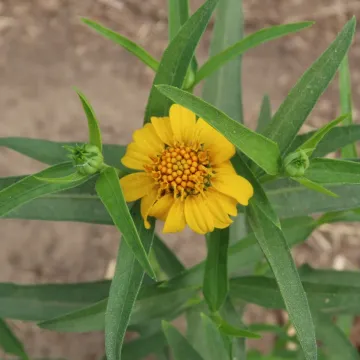
Botanically, the plant is characterized by a well-developed root system, which allows it to withstand intermittent drought conditions effectively. The stems are erect and covered with glaucous (bluish-gray) leaves, which gives the plant its specific epithet. The flowers appear in classic Asteraceae capitula (flower heads). It reproduces both via seeds and vegetative methods, ensuring strong population density in suitable habitats.
To achieve successful cultivation of Pascalia glauca, it is necessary to provide well-drained soils with a neutral to slightly alkaline pH. The crop is notably resistant to cold temperatures during its dormant phase, but it exhibits optimal growth during periods of moderate warmth. Management practices include regular mineral fertilization, specifically nitrogen applications to promote biomass production, and a rotational grazing system to maintain plant vigor.
The primary economic use of the plant involves the production of hay and silage, as well as direct grazing. Common pests and diseases affecting this species include those typical for the Asteraceae family, such as leaf-eating caterpillars and aphids, as well as root fungal diseases triggered by waterlogging. Successful farm management involves monitoring stand density to prevent soil nutrient depletion and ensuring proper moisture control.
Photo gallery