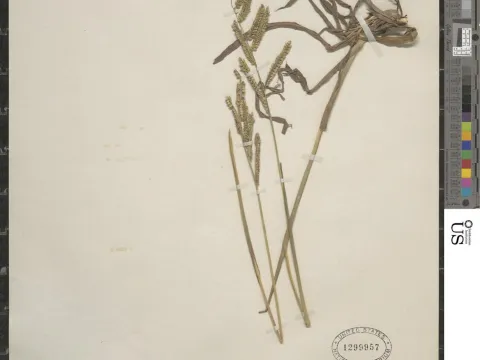
Description
Paspalum dasypleurum is a perennial grass species belonging to the Poaceae family. As a significant member of the Paspalum genus, this crop is valued in agricultural systems for its resilience and ability to thrive in diverse environments, serving as a reliable source of green fodder for livestock.
The species originates from South American regions, where it has historically adapted to tropical and subtropical climates. Its natural habitat includes open savannas and moist landscapes, providing the plant with the evolutionary traits necessary for surviving variable rainfall patterns and competitive growth conditions.
Botanically, the plant is characterized by a robust root architecture and leafy stalks that provide high biomass density. The leaf structure is optimized for efficient photosynthetic activity, while the inflorescence, typically arranged in panicles, ensures successful seed production, which is vital for both natural propagation and managed agricultural reseeding.
Agricultural success with this crop relies on specific soil and climate conditions. It prefers well-drained, fertile soils with adequate organic matter content. Standard agrotechnical practices for this species include early weed suppression, regular mowing to stimulate tiller development, and the application of balanced NPK fertilizers to maintain high productivity levels.
Key хозяйственное uses and considerations for this crop include:
- High nutritional value as pasture forage for grazing cattle.
- Excellent regrowth capabilities following intensive harvest cycles.
- Soil conservation properties due to its deep and binding root system.
- Relative tolerance to common grass pathogens when grown in proper rotation.
Photo gallery