Description
Paspalum intermedium is a perennial grass species belonging to the Poaceae family. Known for its robust growth and ability to thrive in seasonally flooded environments, this species is recognized as a significant forage crop in various subtropical regions. Its biological efficiency makes it an attractive candidate for improving degraded pasturelands.
The plant is native to South America, specifically in regions across Argentina, Paraguay, and Brazil. It typically inhabits low-lying areas, wetlands, and riverbanks. This natural distribution highlights its inherent capacity to survive under anaerobic conditions, which sets it apart from many other forage grasses that fail in waterlogged soils.
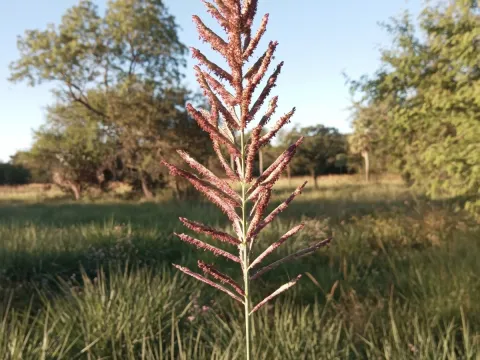
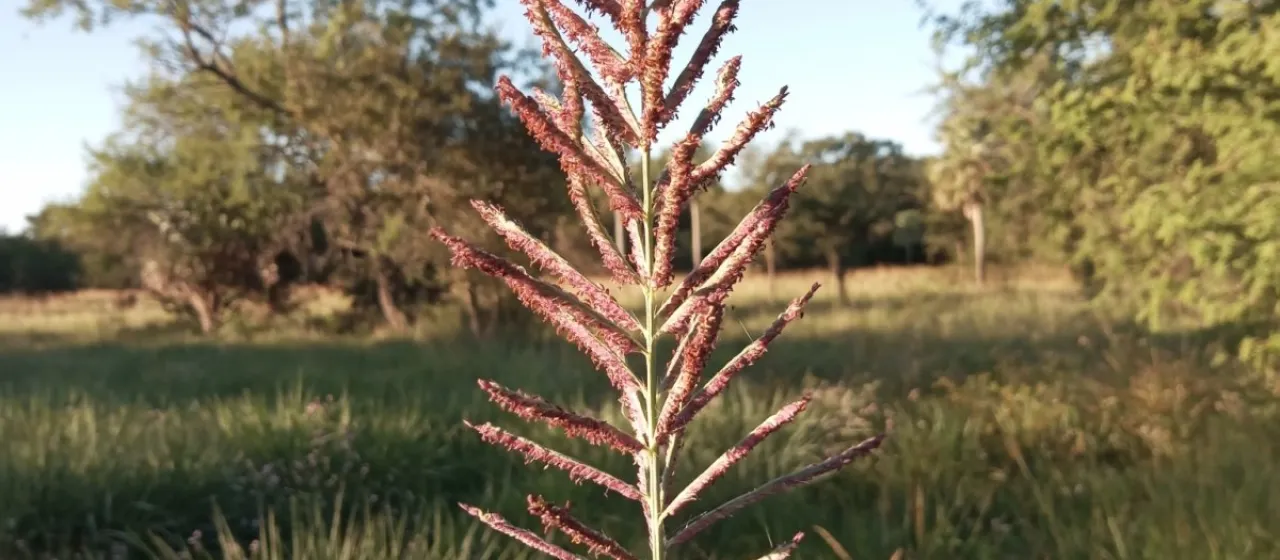
Botanically, it is characterized by a strong, rhizomatous root system and upright culms. The leaf blades are linear, often exhibiting high durability against trampling by livestock. The inflorescence is a typical Paspalum raceme-type, producing numerous small seeds. These morphological traits contribute to its persistence in diverse ecosystems.
Agronomic requirements emphasize the need for adequate soil moisture. While it shows remarkable tolerance to waterlogging, optimal biomass production is achieved on fertile soils that receive regular irrigation or rainfall. Management practices such as rotational grazing are crucial to prevent overgrazing and to promote the vigor of the plant stand throughout the growing season.
The primary agricultural applications of this species include:
- providing high-quality forage for grazing cattle;
- production of high-biomass hay;
- reclamation of marshy or water-affected lands;
- acting as a ground cover for soil conservation.
Like many species in the Paspalum genus, this plant is subject to fungal diseases, such as leaf blight and rust, especially during prolonged humid periods. Common insect pests include stem borers and various leaf-eating beetles. Effective farm management involves monitoring these biotic factors and ensuring balanced soil fertility to enhance the plant's natural resistance.
Photo gallery