Paspalum lividum
Paspalum lividum
Description
Paspalum lividum is a perennial grass species belonging to the Poaceae family. Known for its resilience in moist environments, this species is recognized as a significant forage resource in subtropical and tropical agricultural systems. It is characterized by its ability to thrive where other common pasture grasses fail, making it a specialized choice for lowland and wetland management.
Originating from the Americas, Paspalum lividum naturally inhabits floodplains, wet meadows, and the margins of water bodies. Its geographical range extends across both North and South America. The plant has adapted to survive in soils with fluctuating water tables, demonstrating a high tolerance for waterlogged conditions that would otherwise lead to root rot in many other forage crops.
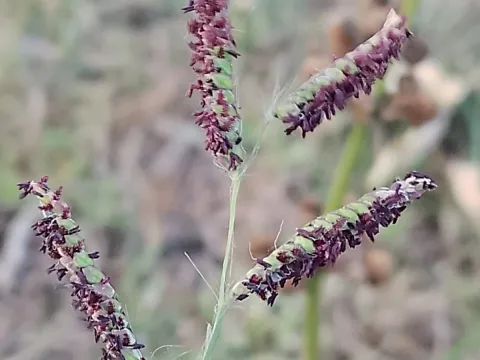
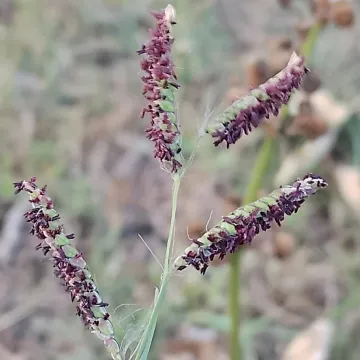
Botanically, this grass grows in dense clumps or tussocks, with leaf blades exhibiting a distinct bluish-green or grayish hue. The stems are typically erect or spreading, and the inflorescence consists of several racemes. The plant invests heavily in its underground root system, which allows it to maintain vigor during dormant periods and survive seasonal flooding events.
Agricultural management of this crop requires an emphasis on soil moisture control. While it is highly tolerant of excess water, it performs best in rich, heavy clay or alluvial soils. It does not require intensive tillage; rather, it benefits from weed management in the early stages of establishment. Once a stand is established, it requires minimal intervention, though periodic fertilization is recommended to maintain high biomass production.
The primary economic use of Paspalum lividum is as a pasture grass. Key advantages include:
- Excellent tolerance to heavy grazing pressure.
- Rapid recovery and regrowth after livestock usage.
- Nutritional value suitable for cattle and small ruminants.
- Significant utility in land restoration projects for seasonally flooded pastures.
Photo gallery