Description
Longhair paspalum (Latin: Paspalum longipilum) is a perennial grass species belonging to the Poaceae family. This plant is known for its ability to thrive in diverse habitats, representing an important biological component of grasslands in its native distribution areas within the North American continent.
The plant originates from the southern and eastern United States, where it is commonly found in moist meadows, open woods, and sandy areas. It is well-adapted to subtropical climates, favoring regions where the growing season is long and temperatures remain above freezing for the majority of the year, although it exhibits a degree of resilience to variable seasonal conditions.
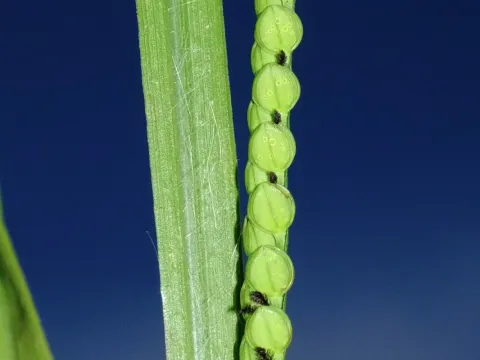
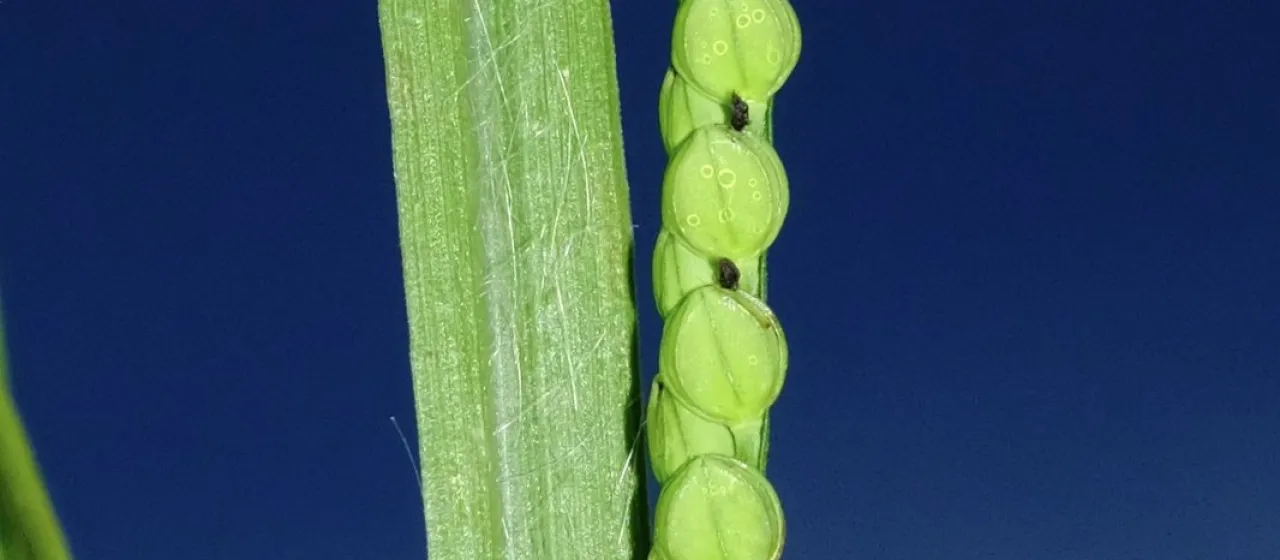
Botanically, Paspalum longipilum is distinguished by its characteristic hairy leaves, from which its common name is derived. It grows in dense tufts, producing erect culms that can vary in height depending on local nutrient availability. The root system is fibrous and deep, allowing the plant to maintain stability and access subsurface moisture during periods of low rainfall.
Cultivation requirements for this species include well-drained but moisture-retentive soils, preferably with a slightly acidic to neutral pH. It is highly responsive to managed grazing or mowing, which helps stimulate tillering and prevents the accumulation of old, coarse biomass. It does not require high levels of intensive care, but supplemental nitrogen applications can significantly increase the total dry matter yield.
Economically, this species is primarily utilized as a forage resource for livestock. It provides nutritious grazing when managed correctly in its early growth stages. Furthermore, due to its dense growth habit and deep roots, it is increasingly valued for soil conservation purposes, particularly in controlling erosion on fragile or sandy soil sites. Disease management typically involves monitoring for common rusts and fungi, usually prevented by ensuring proper aeration and balanced nutrient management.
- Excellent soil binding properties.
- High tolerance for sandy soil conditions.
- Good forage value during active growth.
- Resilience to moderate moisture stress.
Photo gallery