Description
Paspalum nutans is a perennial grass species belonging to the Poaceae family, recognized primarily for its role as a high-quality forage crop. This plant is well-regarded in agricultural science for its ability to produce significant biomass, making it a reliable source of nutrition for livestock in tropical and subtropical regions where it is cultivated.
The native range of this species is centered in Central and South America. Throughout these regions, it colonizes a variety of habitats, ranging from moist lowlands to well-drained slopes. This inherent geographical adaptability has made it a subject of interest for agricultural researchers looking to introduce robust forage varieties into new environments with comparable climates.
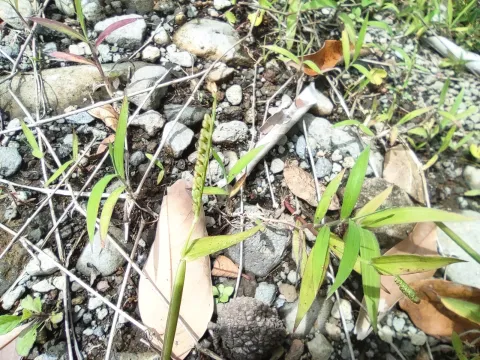
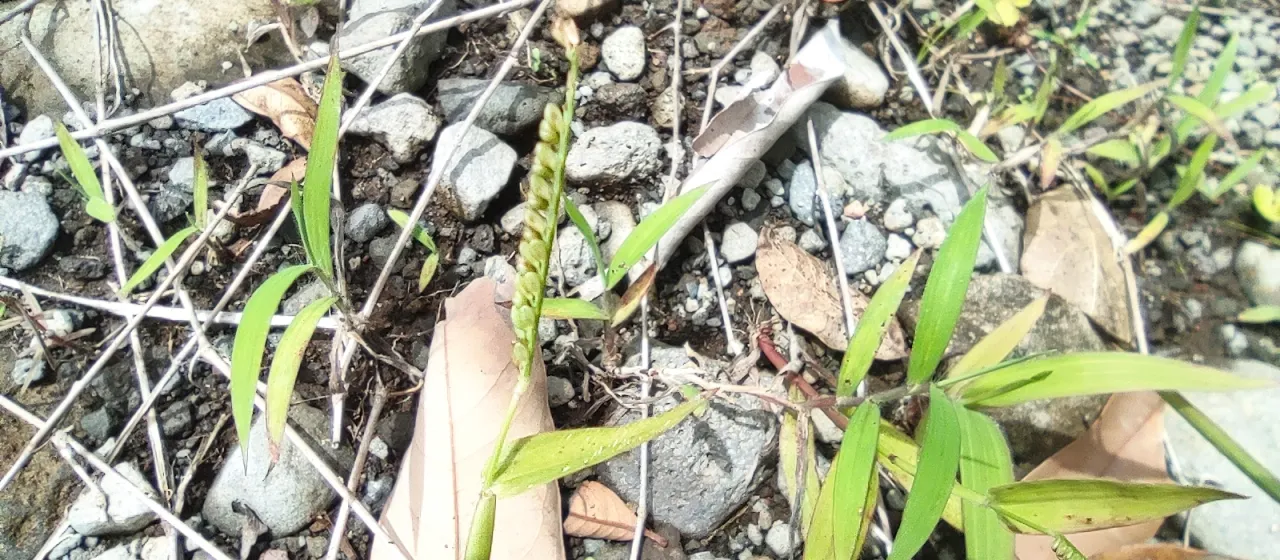
Botanically, Paspalum nutans is characterized by a dense tufted growth habit and strong vegetative regeneration. The grass produces numerous leaves that remain palatable for cattle and other ruminants over a long grazing season. Its inflorescences are typical of the genus, appearing as elongated racemes that are effective at spreading seeds under natural conditions.
To achieve maximum yield, farmers should focus on soil fertility and irrigation management. The crop thrives in soils with good organic matter content and requires consistent moisture during its peak growth phase. Strategic fertilization, particularly with nitrogen, significantly boosts the dry matter production, allowing for more frequent grazing cycles or multiple cuttings per season if managed correctly.
- Serving as a primary forage grass in grazing systems.
- Utilization for hay production in intensive farming operations.
- Soil stabilization and protection against erosion in vulnerable areas.
- Potential integration into sustainable pasture management programs.
Like many tropical grasses, this species is susceptible to various fungal pathogens, such as leaf spot diseases, which can become prevalent during periods of prolonged humidity. Common agricultural pests include stem borers and root-feeding larvae that may reduce stand density. Integrated pest management strategies and proper rotation grazing remain the best practices to maintain the health and vigor of the pasture.
Photo gallery