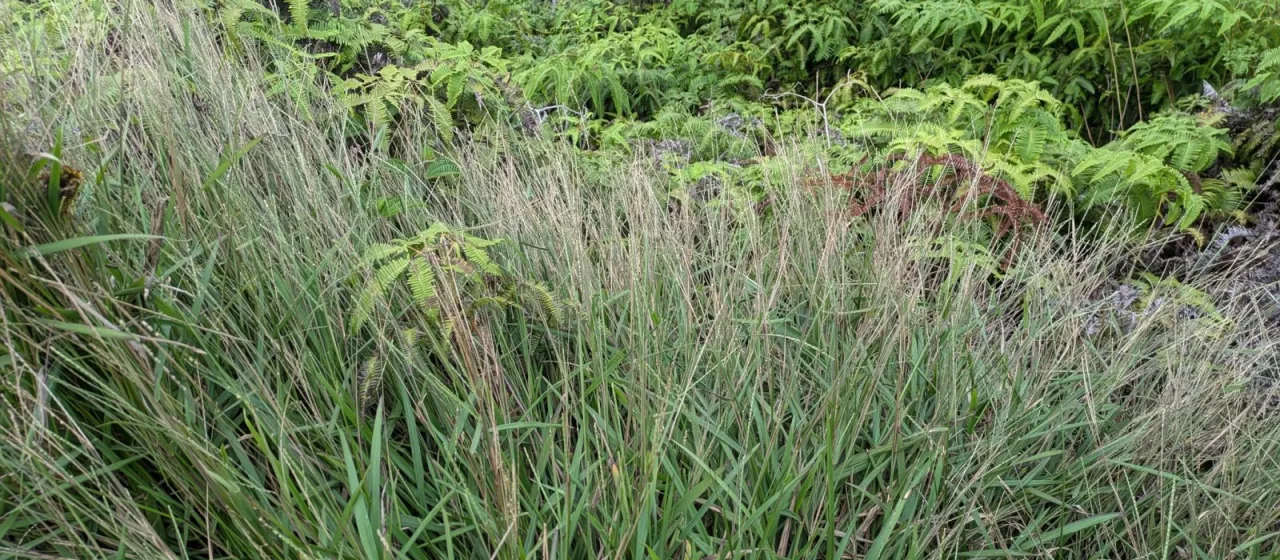
Description
Paspalum pilosum is a robust perennial grass species belonging to the Poaceae family. Known for its resilience in tropical environments, it serves as a critical agricultural resource, particularly in regions where soil quality is suboptimal and environmental stress makes other forage grasses difficult to establish.
The native distribution of this species centers on Central and South America. Historically integrated into savanna ecosystems, it has become a staple for grazing systems due to its natural adaptation to local climate cycles and its ability to persist under sustained grazing pressure in its original habitat.
Botanically, Paspalum pilosum is characterized by its dense tufted growth habit and pubescent leaves. This structural adaptation, combined with a vigorous root system, allows the plant to thrive in acidic and nutrient-poor tropical soils where it effectively stabilizes the terrain and maintains ground cover during both wet and dry seasons.
Agricultural success depends on providing well-drained soils and adequate sunlight. While the plant is inherently hardy, high-yield management requires strategic nutrient supplementation, particularly nitrogen, to improve leaf quality. Maintaining appropriate grazing intensity is essential to prevent overgrazing and ensure long-term stand longevity.
- Requires well-drained, acidic soil types.
- Mainly used for extensive cattle grazing.
- Resistant to localized drought conditions.
- Responsive to balanced soil fertilization.
In terms of health, the crop is generally hardy, though it remains susceptible to typical tropical grass pathogens and pest complexes. Proper pasture rotation and periodic monitoring for fungal diseases or insect infestation are recommended practices to ensure maximum biomass production and sustained nutritional value for livestock.
Photo gallery