Description
Water finger grass (Paspalum repens) is a perennial grass species belonging to the Poaceae family. Known for its distinct preference for aquatic and semi-aquatic habitats, this plant thrives in environments that would be detrimental to many other conventional forage crops.
Originating from the tropical and subtropical regions of the Americas, this grass has successfully spread across wetlands and floodplains. Its ability to survive in waterlogged soil makes it a unique candidate for agricultural systems in flood-prone areas where traditional pasture management is difficult to implement.
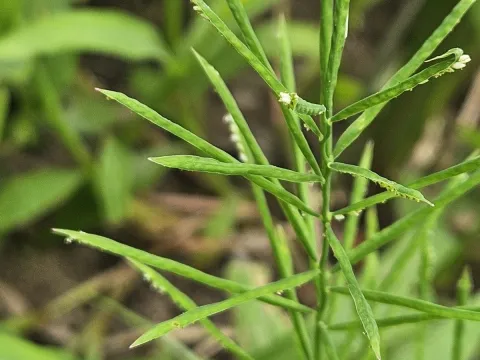
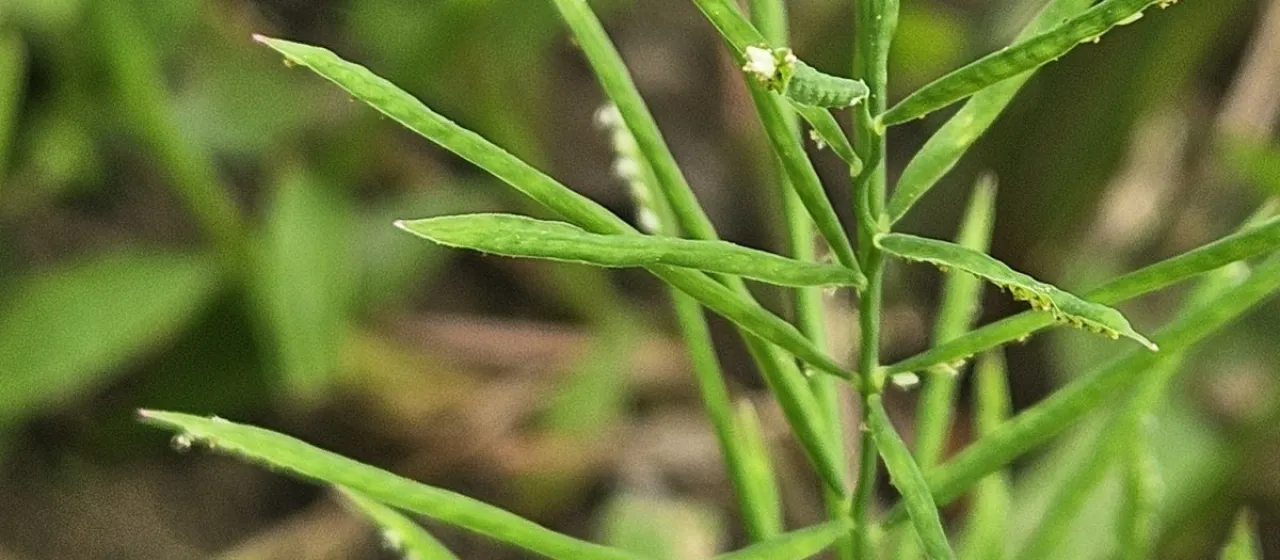
Botanically, the plant is characterized by its prostrate, creeping stems that root at the nodes. This vegetative propagation strategy allows it to form dense, mat-like colonies. The foliage is typically narrow and linear, while the inflorescences consist of slender racemes, which are characteristic of the Paspalum genus and facilitate effective seed dispersal.
Regarding cultivation requirements, Paspalum repens demands high soil moisture and rich, loamy or alluvial soils. It does not possess significant drought resistance, meaning its productivity is strictly tied to consistent water availability. Optimal agronomic practices include minimal soil disturbance and the maintenance of a stable moisture regime to prevent root stress.
The primary economic use of this plant is for forage production in humid environments and for soil stabilization purposes. It serves as a valuable resource for cattle grazing in natural wetlands. However, growers must manage potential infestations of pests such as aphids and leaf-eating caterpillars, as well as fungal pathogens that thrive in the humid microclimates where this grass is commonly established.
Photo gallery