Description
Mountain Passerina (Passerina montana) is a hardy shrub belonging to the Thymelaeaceae family. It is recognized for its structural resilience and unique appearance, which makes it a notable candidate for specialized horticultural projects and landscape stabilization efforts.
The species originates from the mountainous regions of South Africa. Its natural distribution is tied to high-altitude environments, where it has evolved to thrive in rocky, well-drained habitats. Cultivation outside its native range is typically restricted to regions with Mediterranean climates that mimic these environmental conditions.
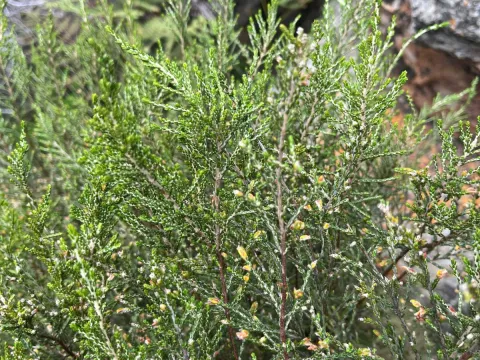
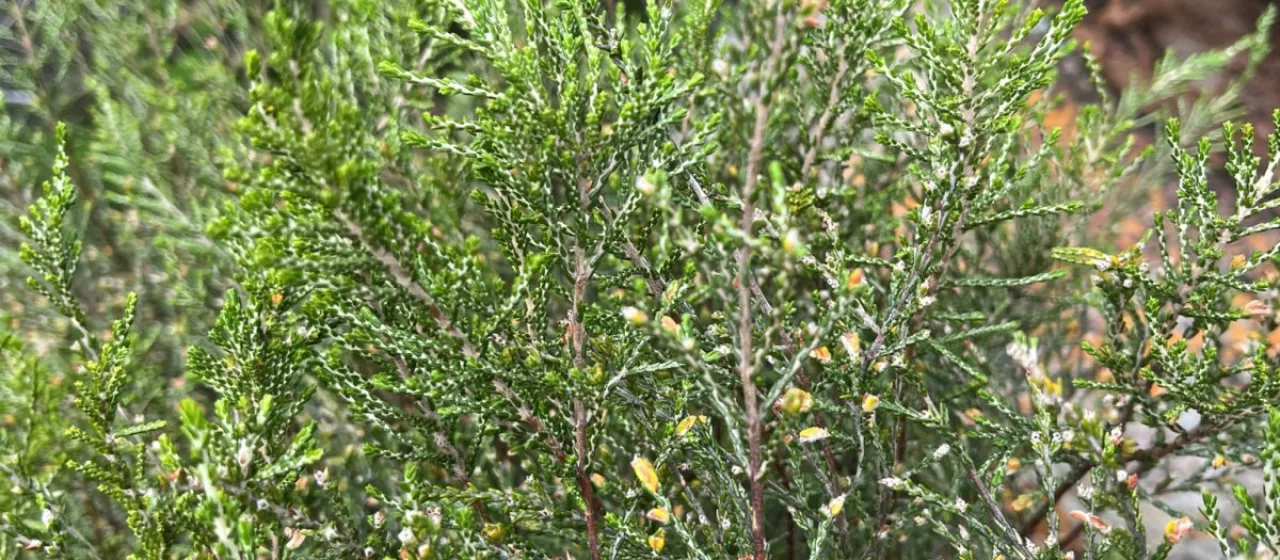
Botanically, the plant is characterized by its evergreen nature and tiny, scale-like leaves that are pressed close to the stem. These features provide protection against harsh environmental elements such as wind and direct solar radiation. The small, aggregated flowers contribute to its distinct visual profile during the blooming period.
Agrotechnical requirements focus on the necessity of sharp drainage and full sunlight. Because it is adapted to nutrient-poor, rocky soils, it does not require significant fertilization. Maintaining soil acidity and preventing moisture retention are the most critical factors for successful plant health throughout the vegetative season.
The primary economic use of this plant is within the ornamental sector, particularly for erosion control on slopes and rock garden construction. Common challenges include:
- Root rot caused by poor soil drainage.
- Fungal infestations during high-humidity periods.
- Infestations by scale insects or aphids.
Photo gallery