Description
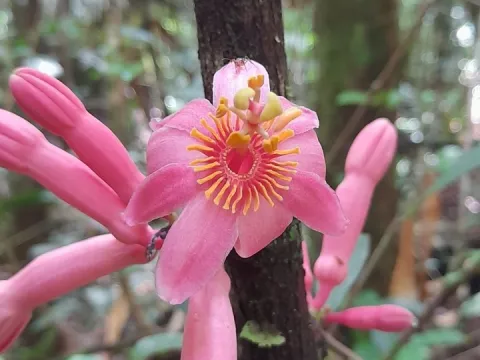
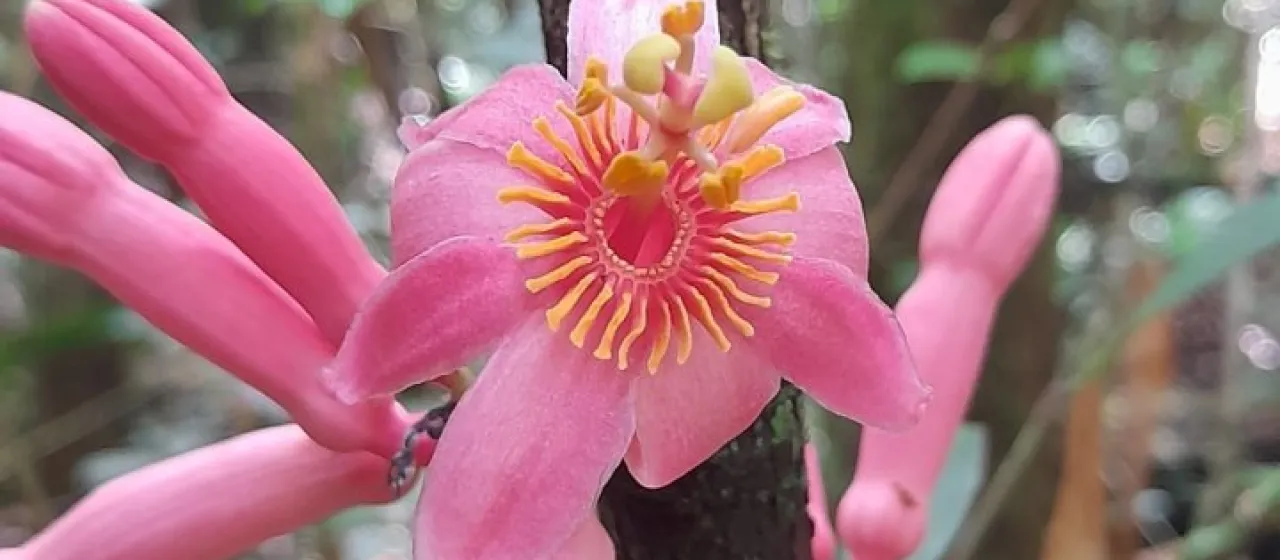
Passiflora amoena is a perennial woody vine belonging to the Passifloraceae family. Known for its complex floral structure and vigorous growth, it represents a specialized species within the passion flower genus. As a tropical climber, it possesses specific physiological adaptations that dictate its performance in both natural and cultivated environments.
The origin of Passiflora amoena is traced back to the tropical regions of South America. Its natural habitat includes humid forest ecosystems where it thrives in filtered light conditions. Because of its sensitivity to temperature fluctuations, the plant is primarily cultivated in controlled environments such as greenhouses, conservatories, and specialized tropical gardening setups in temperate regions.
Botanically, this species is defined by its climbing stems, equipped with tendrils that allow it to scale vertical structures efficiently. The leaves are typically structured to maximize photosynthetic surface area, while the flowers feature the signature intricate morphology of the genus, including a distinctive corona. The plant's ability to produce these complex structures is dependent on specific light and nutritional triggers during its growth cycle.
Agricultural and horticultural requirements for Passiflora amoena center on maintaining stable moisture levels and high air humidity. The soil should be porous and rich in organic matter to prevent root rot, which is a common issue in poorly drained substrates. Consistent feeding with balanced fertilizers is essential during the primary vegetative growth phases to support the development of foliage and subsequent flower buds.
- Growth temperatures: +20°C to +26°C.
- Humidity levels: Minimum 70% recommended.
- Sunlight: Bright, indirect lighting is preferred.
- Pest management: Regular monitoring for aphids and spider mites.
- Soil requirements: Loamy, well-draining, slightly acidic.
The economic and practical use of Passiflora amoena is primarily oriented towards ornamental horticulture. It is highly valued for vertical landscaping and indoor botanical displays where its aesthetic appeal can be fully showcased. Ongoing research into the genus may eventually expand its application, but currently, it remains a specialty crop cherished by collectors and professional interior landscapers alike.
Photo gallery