Description
Yellow passionflower (Passiflora lutea) is a herbaceous perennial vine within the Passifloraceae family. It is distinguished from its tropical relatives by its remarkable cold hardiness, allowing it to survive in temperate climates where other species of the genus would fail to thrive during winter.
The plant is native to the southeastern and central regions of North America. It naturally inhabits deciduous forests, thickets, and riparian corridors, where it utilizes its specialized tendrils to climb over shrubs and small trees. This adaptation allows it to access sunlight in environments with varying canopy density.
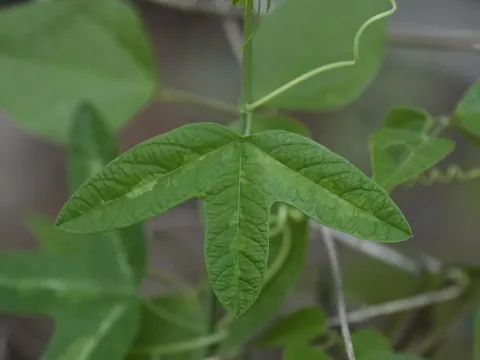
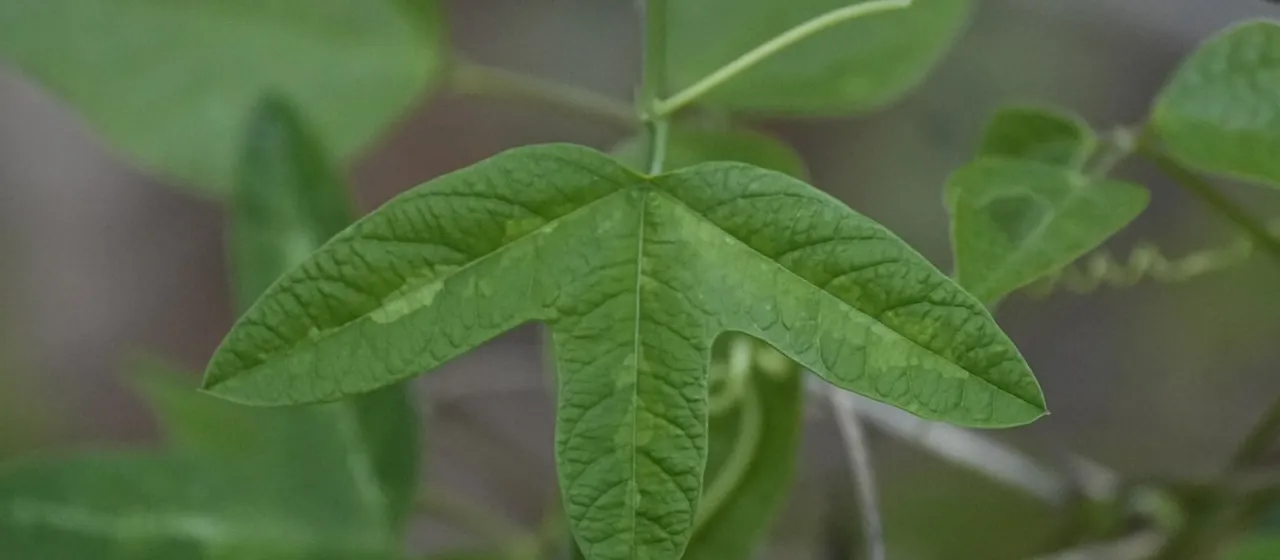
Botanically, the plant features cordate or three-lobed leaves and small, distinctively greenish-yellow flowers measuring about an inch across. The blossoms are structurally complex, typical of the genus, but smaller than those of more common passionflower varieties. Following the blooming period, the plant produces small, dark purple to black berries that serve as a source of food for various local bird species.
Cultural requirements involve planting in fertile, well-draining soil with a neutral to slightly acidic pH. While the vine can tolerate moderate shade, it performs best in locations that provide filtered light. Regular maintenance involves providing sturdy vertical support, such as a trellis or fence, and applying organic mulch before the first frost to protect the dormant rootstock from severe soil temperature fluctuations.
The primary use of Passiflora lutea is ornamental, serving as an excellent choice for vertical garden designs or wild-style landscapes. It is rarely troubled by serious pests, though occasional aphids may appear during periods of heat stress. Beyond aesthetics, the plant is a significant contributor to local biodiversity, providing habitat and floral resources for diverse native pollinator populations.
- Requires consistent moisture, especially during the summer growth spurt.
- Hardiness zone typically ranges from zone 5 to 9.
- Propagation is easily achieved through seed stratification or root division.
- Disease management: focus on air circulation to prevent leaf spots.
Photo gallery