Description
Passiflora napalensis is a perennial evergreen vine belonging to the Passifloraceae family. It is a distinct species known for its unique botanical morphology and its native connection to the high-altitude landscapes of the Himalayas, particularly in Nepal.
Originating from the mountainous regions of Asia, the plant has evolved to thrive in environments with specific temperature fluctuations and significant atmospheric humidity. This background makes it a unique candidate for controlled cultivation in conservatory environments where these conditions can be replicated.
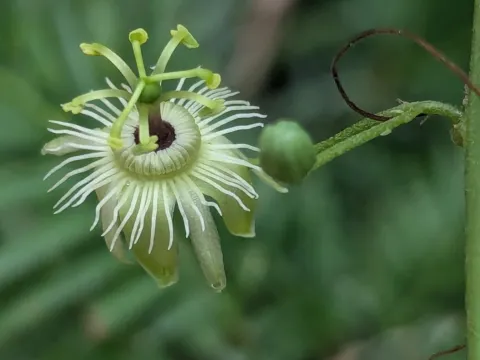
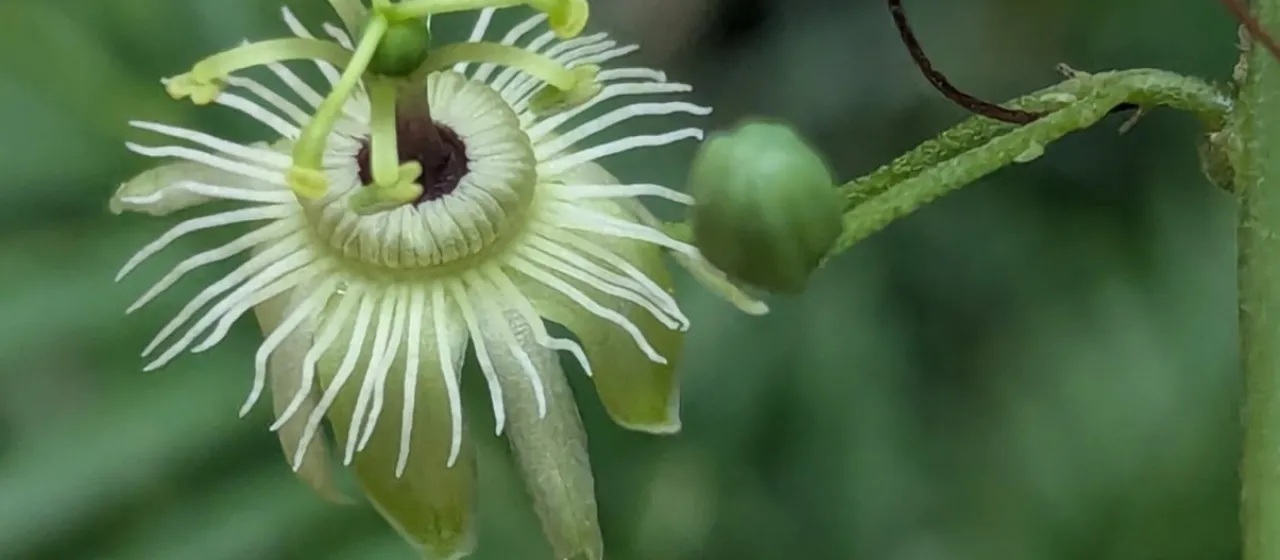
The botanical structure of Passiflora napalensis features characteristic lobed leaves and intricate flowers with complex filaments. The vine uses tendrils to navigate vertical structures, reaching significant lengths in ideal growing conditions. Its growth habit is robust, reflecting its evolutionary strategy to compete for light in dense forest environments.
Agronomic requirements for this species focus on moisture management and soil structure. It thrives in well-draining, nutrient-rich potting mixes. Water management is critical; while the plant requires consistent moisture, the root system is susceptible to pathogens if kept in waterlogged conditions for extended periods.
The primary use of Passiflora napalensis is ornamental, often cultivated in botanical gardens or specialized collections of exotic flora. Common pests include aphids and spider mites, which can be managed through regular monitoring and appropriate integrated pest management practices to maintain foliage health and vigor.
Photo gallery