Description
Pale passion flower (Passiflora pallens) is a perennial vine species belonging to the family Passifloraceae. Renowned for its intricate flower morphology, this plant is a fascinating subject within the genus Passiflora. Its growth habit is typical for tropical lianas, requiring significant vertical support to express its full phenological potential in various cultivation environments.
The native distribution of Passiflora pallens is primarily centered in the Caribbean, with Cuba being a notable region of occurrence. In its indigenous range, it thrives in environments that provide high humidity and filtered tropical sunlight. These ecological preferences define the fundamental requirements for its success when grown as an ornamental or scientific research crop.
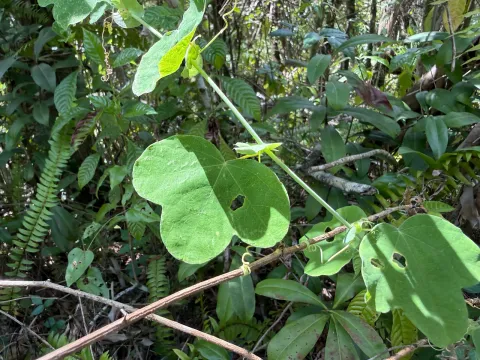
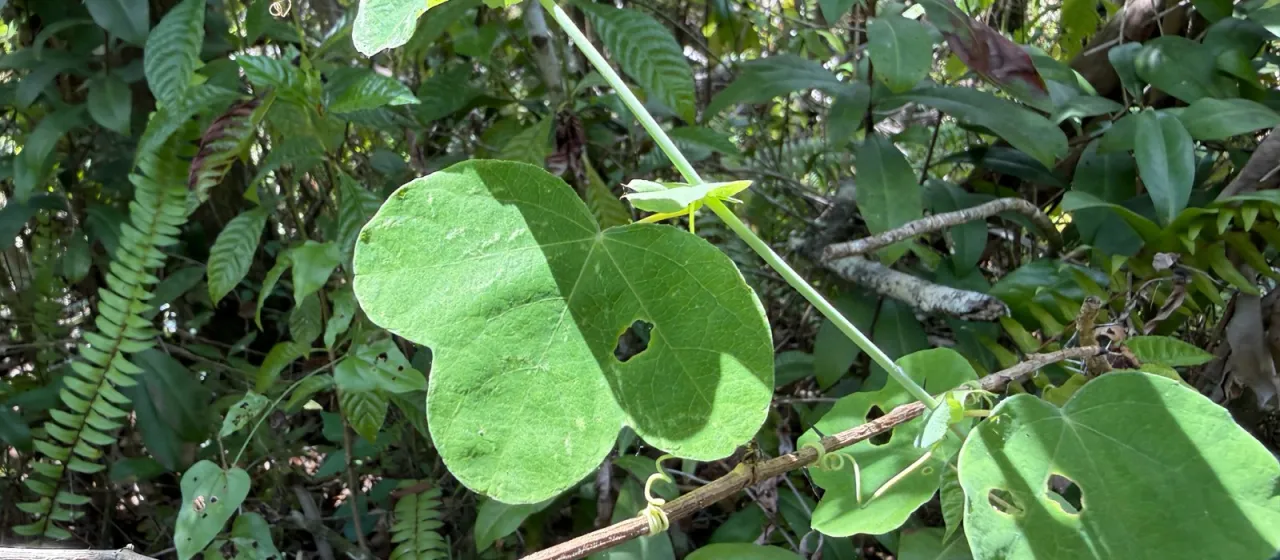
Botanically, the plant is characterized by its slender stems and uniquely lobed foliage. The floral structure displays the complex corona and reproductive organs characteristic of the Passifloraceae family. Its root system is relatively shallow and sensitive to changes in soil texture, necessitating a stable substrate that balances aeration with moisture retention capabilities.
Agricultural requirements for Passiflora pallens include a strictly regulated climate. In greenhouse or controlled settings, maintaining temperatures within the 22–28 degrees Celsius range is essential. Soil must be rich in organic matter and maintain a slightly acidic pH. Regular fertilization schedules, focusing on potassium and phosphorus, are recommended to support vigorous vegetative development and occasional floral display.
Management of pests and diseases is a critical aspect of plant health. This species is prone to common greenhouse pests, including aphids and spider mites, which can be mitigated through integrated pest management and maintaining proper ambient humidity. While not a major commercial fruit crop, the plant remains highly relevant for botanical studies and ex-situ conservation of tropical plant diversity.
- Provide robust vertical trellising for climbing stems.
- Ensure a well-draining, nutrient-rich potting medium.
- Maintain high humidity levels to prevent mite infestation.
- Apply balanced fertilizers during the active growth phase.
Photo gallery