Description
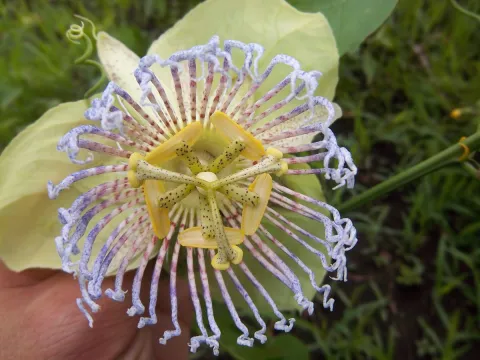
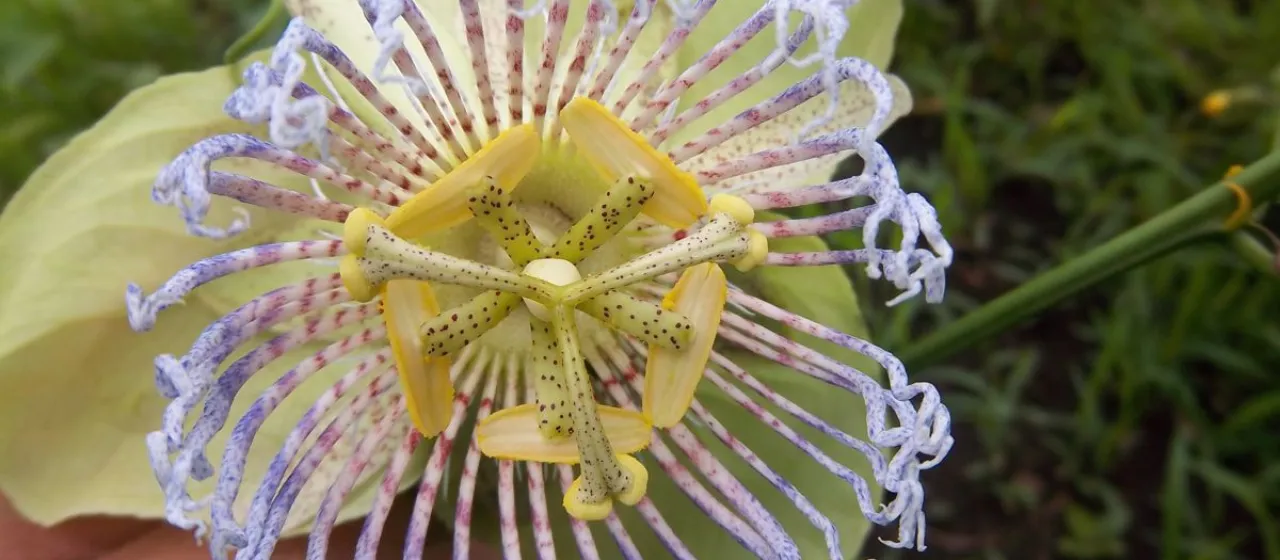
Broad-lobed passion fruit (Passiflora platyloba) is a distinct species of tropical vine within the Passifloraceae family. It is recognized for its unique botanical structure, including its signature broad, lobed foliage and complex, intricate flowers that are a hallmark of the passion flower genus.
The plant originates from the tropical rainforests of Central and South America, particularly in the Andean regions of Ecuador and Peru. Within these habitats, it thrives in environments characterized by high humidity, constant moderate temperatures, and significant annual precipitation, which defines its ecological preferences.
Botanically, it grows as a vigorous climber, utilizing tendrils to ascend toward the canopy for light. The leaves display a characteristic broad shape that distinguishes it from other species. The flowers are notable for their elaborate corona and reproductive structures, which are evolved specifically for pollination by tropical insects.
Agronomic requirements for successful cultivation include:
- Light: Bright, indirect sunlight is essential for optimal physiological development.
- Soil: Well-draining, nutrient-rich soil with a slightly acidic pH level.
- Irrigation: Consistent moisture is required, though waterlogging must be avoided to prevent root rot.
- Climatic range: Ideally maintained between 18°C and 26°C with high ambient humidity.
In agricultural practice, this species is cultivated for its edible fruit, which possesses a unique flavor profile and nutritional properties. Beyond direct consumption, the fruit is processed into beverages, jams, and flavorings. Furthermore, the species is valued in horticultural research for its genetic diversity and adaptability to specific microclimates.
The crop is susceptible to common pests such as spider mites, aphids, and whiteflies, especially when grown under glasshouse conditions with poor airflow. Pathogens such as soil-borne fungi and leaf spots can cause significant damage if environmental sanitation and irrigation schedules are not strictly managed.
Photo gallery