Serratodigitata passionflower
Passiflora serratodigitata
Description
Serratodigitata passionflower (Passiflora serratodigitata) is a perennial tropical vine belonging to the Passifloraceae family. It is a distinct species characterized by its unique foliage and complex floral structure. Within agricultural contexts, it is cultivated primarily for its edible fruit, which shares similar biochemical properties with more common passion fruit varieties.
The plant originates from the tropical regions of South America, naturally occurring in rainforest habitats across countries like Brazil, Peru, and Colombia. Thriving in warm and humid environments, it acts as a climber, utilizing its tendrils to reach the canopy layer. Its cultivation range today extends to various tropical and subtropical zones where environmental conditions mimic its natural forest habitat.
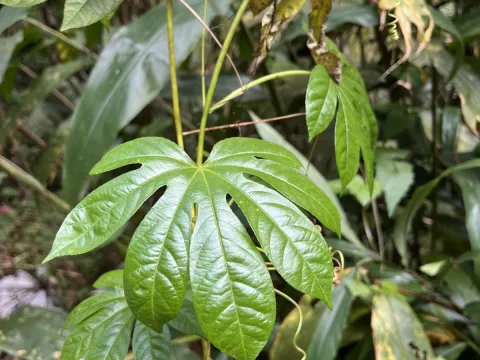
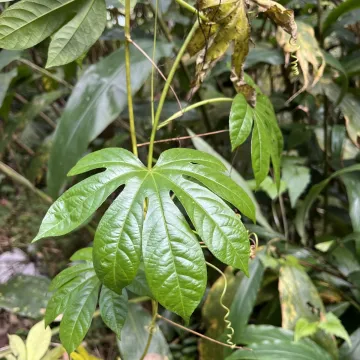
Botanically, the plant is recognized by its deeply lobed, palmately divided leaves, which provide a distinct aesthetic profile. The flowers are large and intricate, typically featuring vibrant colors that serve as a strong attractant for pollinators. The resulting fruit is a globular berry that, when fully ripened, yields a flavorful pulp containing numerous seeds, often used in culinary applications.
Successful cultivation of Passiflora serratodigitata requires a tropical climate with temperatures consistently above 20°C. It is highly sensitive to frost and extreme cold, which can cause significant damage to the vine. Soil requirements focus on high organic content, slight acidity, and, most importantly, excellent drainage. Regular irrigation is necessary to support rapid vegetative growth and fruit set, alongside sturdy trellising systems.
Economically, the fruit is appreciated for its nutritional value and unique flavor profile, often utilized in the beverage industry and for fresh consumption. Proper management is essential to mitigate risks from common pests and pathogens that threaten the health of the vine:
- Spider mites and aphids that target young foliage.
- Fusarium wilt and root rot caused by stagnant water in the rhizosphere.
- Nematodes, which can affect root health in sandy soil types.
Photo gallery