Description
Klaus parsnip (Pastinaca clausii) is a biennial or perennial herbaceous plant belonging to the Apiaceae family. As a specialized agricultural crop, it is recognized for its robust growth habit and distinct aromatic profile, which separates it from common garden parsnip varieties in both ecological niche and chemical composition.
The native distribution of this species is largely centered in parts of Eastern Europe and mountainous regions. It thrives in temperate climates where cool nights and sufficient soil moisture support the development of high-quality root tissues. In cultivation, it demonstrates significant resilience, making it a viable candidate for specialized root crop farming systems.
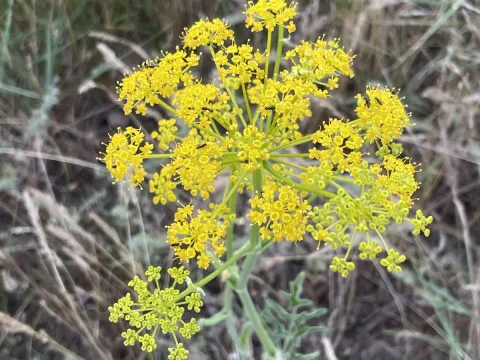
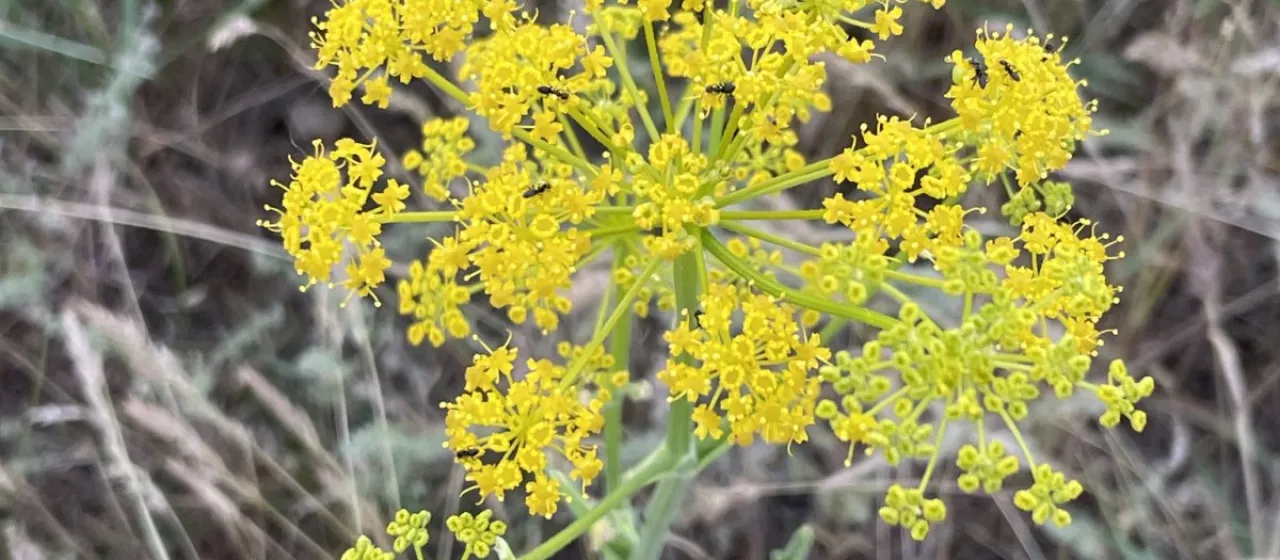
Botanically, Pastinaca clausii is characterized by a well-developed, fleshy taproot that functions as a storage organ for carbohydrates. The plant features pinnate leaves and, during its second year of growth, produces compound umbels with small, yellow flowers. The growth cycle requires a full season to establish a robust rosette before the root system matures sufficiently for harvest.
Regarding agronomic requirements, the plant necessitates deep, loose, and well-drained soil to avoid root deformation. It is essential to ensure a weed-free seedbed, as seedlings are sensitive to competition during the establishment phase. Proper irrigation and fertilization, focusing on potassium and phosphorus, are critical for maximizing both yield and the concentration of beneficial volatile oils.
Management of pests and diseases is a critical component of successful production. Common challenges include:
- Root rot caused by stagnant water or soil pathogens.
- Infestations of carrot rust fly (Psila rosae).
- Fungal diseases such as powdery mildew in low-ventilation environments.
Photo gallery