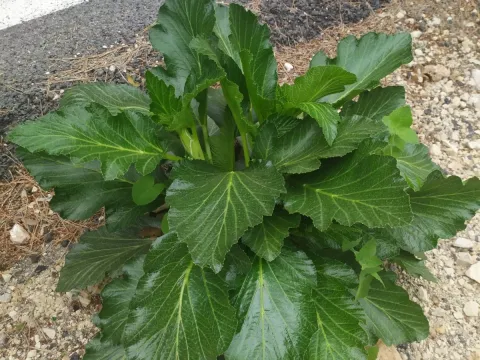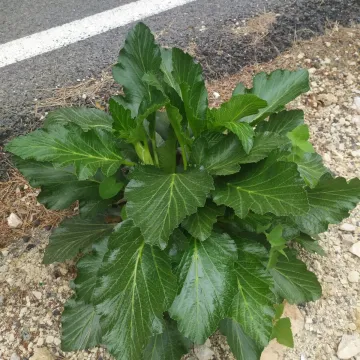
Shining parsnip
Pastinaca lucida
Description
Shining parsnip (Pastinaca lucida) is a perennial herbaceous plant belonging to the Apiaceae family. As a distinct member of the genus, it exhibits specific ecological adaptations that differentiate it from the common garden parsnip, making it a subject of interest for botanical studies and niche agricultural cultivation.
The plant is native to the Balearic Islands, thriving in Mediterranean climates characterized by hot, dry summers and mild winters. It is typically found in rocky habitats and calcareous soils, demonstrating a high degree of resilience to environmental stress and low nutrient availability in its natural range.
Botanically, Pastinaca lucida is recognized by its glossy, textured foliage, which provides a level of protection against intense sunlight. It develops a robust taproot system that enables the plant to access deep water reservoirs, supporting growth in challenging substrates. The inflorescence consists of compound umbels, typical of the parsley family.
Cultivation requirements involve providing well-drained, alkaline soils with low organic matter content to mimic its natural habitat. The crop requires full sun exposure and is highly sensitive to waterlogging. Careful management of soil aeration is essential to prevent root rots and ensure the successful establishment of the plants in a controlled environment.
Agricultural utility for this species is currently centered on ornamental horticulture and the conservation of Mediterranean biodiversity. Pests typically include aphids and various larvae that target Apiaceae species. Effective disease management relies on maintaining dry foliage conditions and ensuring proper spacing between plants to allow for airflow, thereby reducing the incidence of fungal pathogens.
Photo gallery