Description
Panicled patzkea (Patzkea paniculata) is a robust perennial grass species belonging to the Poaceae family. Formally classified under the genus Festuca, this plant is now recognized within the distinct Patzkea genus. It is characterized by its large, dense tussock growth form, which is a common sight in mountainous terrains and high-altitude meadows.
The native distribution of this species spans across the mountainous regions of Europe, including the Alps, Pyrenees, and the Carpathians. It is highly adapted to subalpine environments, often thriving in rocky soils and slopes where other plant species struggle to establish. Its presence is indicative of stable ecological conditions in mountainous grassland habitats.
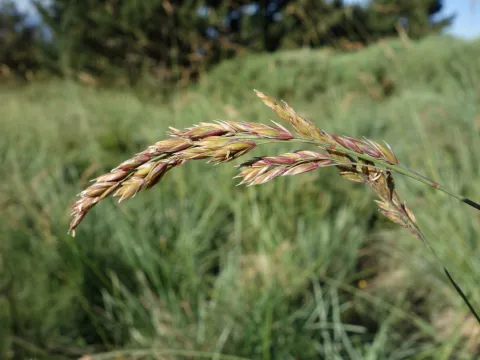
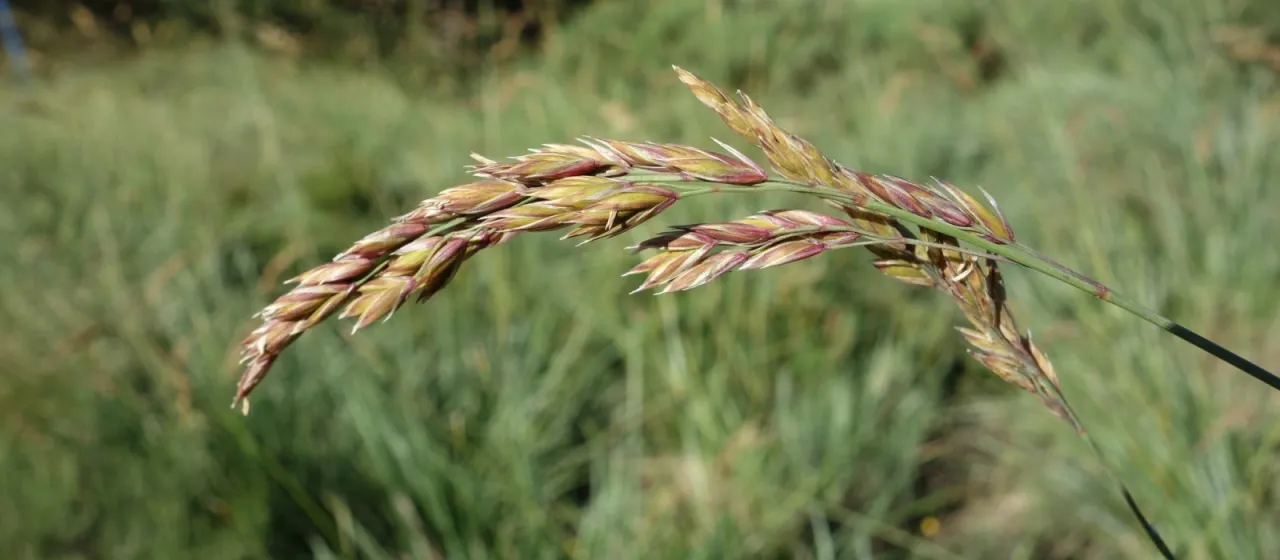
Botanically, the plant is identified by its stiff, filiform leaves and upright stems that can reach heights of up to 100 centimeters. The inflorescence is a large, spreading panicle, which gives the plant its specific epithet. The root system is deep and expansive, acting as a crucial anchor that helps the plant survive harsh environmental conditions and competition from other native flora.
Cultivation requirements for Patzkea paniculata focus primarily on soil drainage and sunlight exposure. The plant performs best in well-drained, neutral-to-slightly-acidic soils. It is notably hardy and tolerant of cold climates, making it a reliable species for restoration projects in high-altitude zones where temperature fluctuations are common and extreme.
In agricultural and environmental management, the species is valued for its soil-binding properties, which make it an excellent choice for erosion control on slopes and unstable terrain. While it does not serve as a primary forage crop in intensive farming systems due to the coarseness of its foliage, it remains a stable and resilient component of natural mountain pastures, supporting biodiversity and soil integrity.
- Strong tolerance for cold and wind
- Excellent for soil stabilization and erosion prevention
- Requires minimal fertilization compared to common fodder grasses
- Adapted to diverse rocky and mountainous substrates
Photo gallery