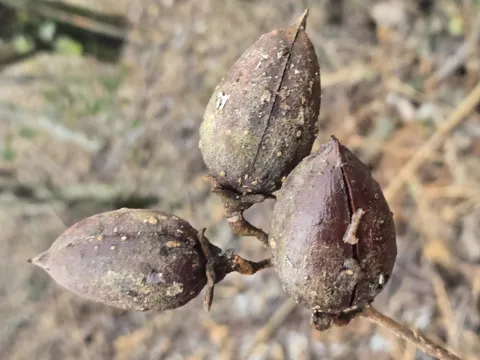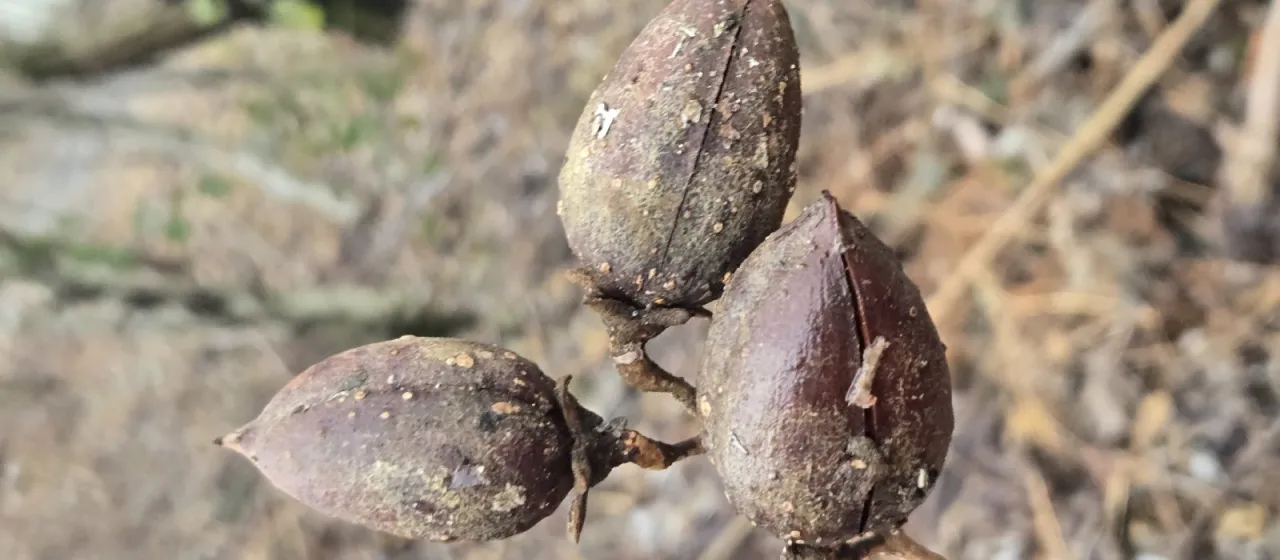
Description
Paulownia glabrata is a deciduous tree belonging to the family Paulowniaceae. It is widely recognized for its rapid growth rate and distinctively smooth leaves, which differentiate it from other species within the genus. In commercial forestry, it is often favored for its straight trunk and uniform growth patterns.
The species is native to East Asia, primarily originating from regions in China. Its current cultivation range has expanded globally into temperate and subtropical zones, where it is increasingly used in plantation forestry to meet the rising demand for lightweight, high-quality timber and industrial biomass.
Botanically, Paulownia glabrata features large, heart-shaped leaves and produces large, trumpet-shaped flowers in clusters during the spring. The tree possesses a robust root system capable of penetrating deep into the soil, which enhances its overall resilience against wind and periods of moderate water scarcity.
Successful cultivation requires well-drained, fertile soil with a slightly acidic to neutral pH. Agricultural management practices involve adequate spacing between trees to ensure proper sunlight exposure, consistent moisture during the establishment phase, and controlled fertilization to promote optimal biomass production throughout the growing season.
Key areas for economic and agricultural utility include:
- Production of lightweight timber for furniture, plywood, and musical instruments.
- Bioenergy applications through the harvesting of fast-growing biomass.
- Soil reclamation and erosion control on degraded agricultural lands.
- Apiculture, as the abundant flowers serve as a significant nectar source.
Like all species in the genus, Paulownia glabrata may be susceptible to root rot in waterlogged soils and certain foliage-feeding insects. Maintaining good field hygiene, ensuring proper drainage, and applying integrated pest management strategies are essential to ensure the longevity and productivity of the plantation.
Photo gallery