Pauridia capensis
Pauridia capensis
Description
Pauridia capensis is a perennial bulbous plant belonging to the Hypoxidaceae family. Known for its elegant appearance, this species is a fascinating subject for both botanists and amateur gardeners interested in rare geophytes. Historically, the plant was sometimes grouped under the genus Spiloxene, reflecting the complex taxonomic history typical of many southern African flora members.
The native distribution area of Pauridia capensis is limited to the Cape region of South Africa. This environment is characterized by a Mediterranean climate, featuring mild, wet winters followed by distinctively hot and dry summers. The plant has evolved specifically to thrive in these seasonal fluctuations, making it a unique challenge to cultivate in regions with different climate patterns.
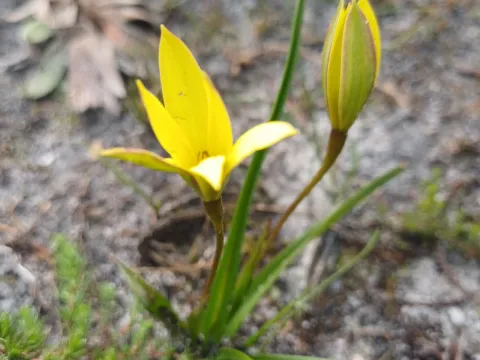
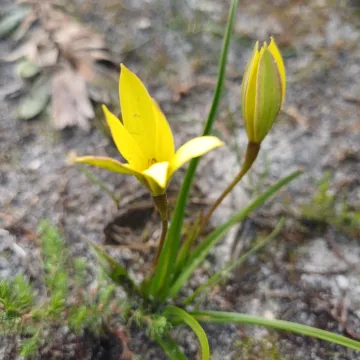
Botanically, the species is defined by its basal rosette of slender, grass-like leaves and attractive star-shaped flowers that bloom on short stalks. The flowers often feature vibrant color variations, particularly in the center, which serves to attract local pollinators. The bulbs themselves are relatively small and delicate, acting as the plant's primary storage organ throughout its annual life cycle.
Successful cultivation requires meticulous attention to drainage and soil structure. A sandy, gritty mix is essential to prevent moisture accumulation around the bulb, which is the primary cause of failure in domestic settings. The life cycle must be respected: the plant requires a dedicated period of dormancy where watering should be withheld, allowing the bulb to dry out, followed by a period of active moisture during the growing phase.
In terms of usage, Pauridia capensis is primarily valued as a specialty ornamental plant for glasshouses and alpine gardens. It is not a commercial crop for mass production, but rather a collector's species. Major cultivation risks involve fungal rot resulting from poor drainage or excessive humidity during the dormant season, while common pests such as aphids or spider mites can impact the foliage if kept in confined or poorly ventilated conditions.
Photo gallery