Pawpaw
Asimina triloba (L.) Dunal
Description
Pawpaw (Asimina triloba) is a deciduous fruit-bearing tree that belongs to the Annonaceae family. While the majority of this family resides in tropical regions, the pawpaw is a unique, cold-hardy species native to the temperate climate of North America. It is widely recognized for producing the largest native edible fruits in the United States, known for their custard-like texture and complex tropical flavor profile.
The historical range of the pawpaw spans the eastern United States and parts of Canada. Its natural habitat includes damp, nutrient-rich soils in floodplains and understory areas. Today, it is gaining popularity among specialty growers and home gardeners who appreciate its ability to thrive in cooler environments while providing an exotic, flavorful harvest that cannot be found in conventional supermarket supply chains.
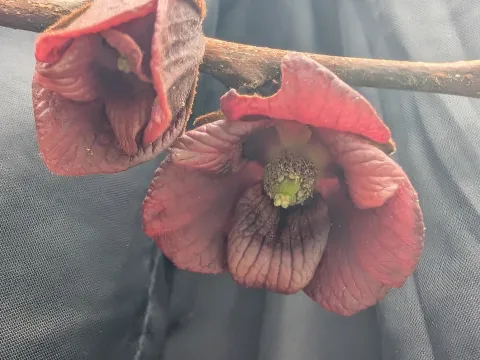
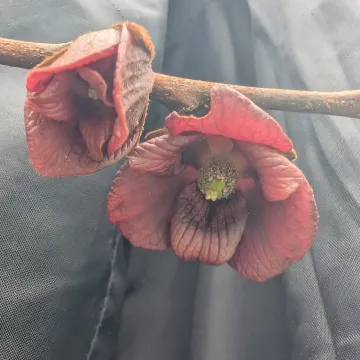
Botanically, the plant features large, drooping, dark green leaves and distinctive, dark maroon flowers that appear in early spring. The fruits typically ripen in late summer or early fall and are heavy, oblong berries with thin, green-to-yellow skin. Inside, the flesh is buttery and rich in nutrients, surrounding several large, flat seeds. It is a slow-growing tree that generally requires cross-pollination between different cultivars to achieve a consistent fruit set.
Cultivation of the pawpaw is relatively straightforward if site requirements are met. The trees prefer:
- Deep, rich, and well-drained soils with high organic matter content.
- Partial shade during the first two years of establishment to prevent leaf scorch.
- Protection from high winds, which can damage the large, thin leaves.
- Consistent moisture, as the shallow root system is sensitive to prolonged drought.
Economically and agriculturally, the pawpaw is considered a crop with significant potential for niche markets. The tree exhibits remarkable natural resistance to pests and diseases, largely due to the presence of acetogenins in its leaves, bark, and twigs, which function as natural pesticides. Consequently, pawpaw is highly valued in sustainable and organic farming systems as a low-input, high-quality fruit crop suitable for direct-to-consumer sales and gourmet culinary applications.
Photo gallery