Pectis angustifolia
Pectis angustifolia
Description
Pectis angustifolia is an annual herbaceous plant belonging to the Asteraceae family. Often referred to by its characteristic lemon-like scent, this crop has gained attention in agricultural circles for its potential as an essential oil source and culinary herb. The plant grows in small, dense clusters, making it an excellent candidate for intensive field production in suitable climates.
Originating from the arid regions of the southwestern United States and Mexico, this species is highly adapted to semi-desert environments. Its natural habitat is characterized by sandy, well-draining soils and high solar radiation levels. Consequently, in an agricultural setting, it performs best in regions with long, warm growing seasons where it can maximize its biomass production without excessive humidity.
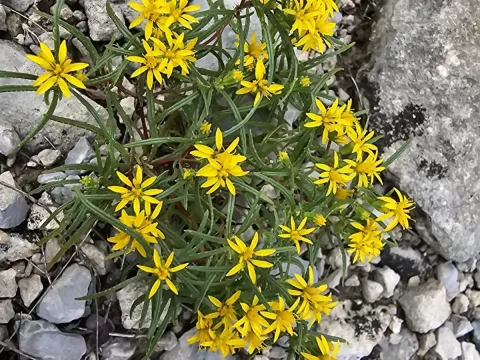
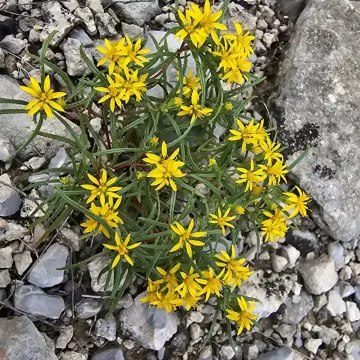
Botanically, Pectis angustifolia features slender, linear leaves and distinct yellow flower heads that bloom during the height of the summer. The plant’s metabolic pathways are specialized for the production of citral and other aromatic compounds, which are concentrated in the foliage. Its growth habit is typically erect, allowing for efficient mechanical harvesting when managed at scale.
For successful cultivation, strict adherence to soil and moisture requirements is essential. The plant is notably sensitive to root rot, which dictates specific agronomic practices:
- Selection of well-draining, loose soil types to prevent moisture stagnation.
- Implementation of drip irrigation systems to deliver water precisely to the root zone.
- Strategic nutrient management to encourage vegetative growth over reproductive development.
The primary economic value of Pectis angustifolia lies in its culinary and aromatic applications. It serves as a sustainable alternative to traditional lemon-scented herbs in various spice blends and cosmetic formulations. Growers must remain vigilant against common pathogens such as soil-borne fungi and pests like spider mites, which can thrive in the hot conditions preferred by the plant, necessitating an integrated pest management approach.
Photo gallery