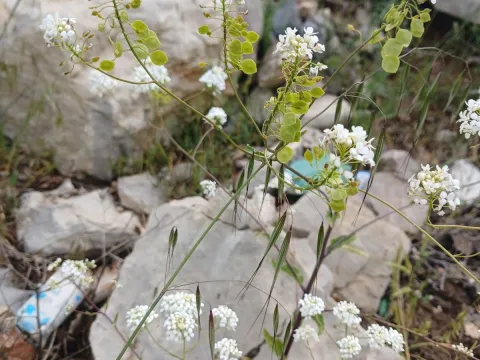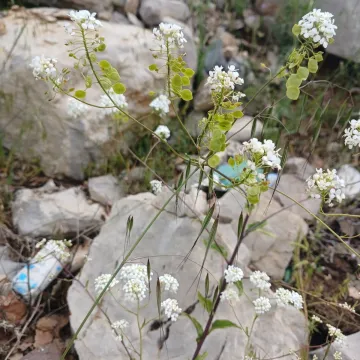
Peltaria angustifolia
Peltaria angustifolia
Description
Peltaria angustifolia is a perennial herbaceous plant belonging to the Brassicaceae family. While not a mainstream industrial crop, this species is noted for its resilience and unique biochemical profile, making it a subject of interest for specialized agriculture and culinary herb production.
The plant originates from the mountainous and rocky regions of Western Asia and the Caucasus. It has evolved to thrive in environments with thin, alkaline soils, which defines its preference for specific growing conditions in an agricultural setting. Understanding its native habitat is crucial for successful domestication.
Botanically, Peltaria angustifolia is characterized by its narrow, lanceolate leaves arranged in a basal rosette and slender, erect stems. The inflorescence consists of small, delicate white flowers that are typical for the mustard family, developing into distinct flattened pods after pollination.
In terms of agricultural requirements, the crop demands well-drained, lime-rich soils and full sun exposure. It is notably drought-tolerant once established, but regular weeding during the early vegetative stages is essential. Proper soil aeration is critical, as the roots are sensitive to waterlogging, which often leads to decay.
The crop is primarily utilized for its culinary potential, offering a spicy, mustard-like flavor in its leaves. Regarding plant health, producers must monitor for common brassica pests. The most frequent issues encountered include:
- Cruciferous flea beetles;
- Clubroot (Plasmodiophora brassicae) in acidic, wet soil;
- Aphid infestations during dry spells;
- Mildew infections under poor ventilation.
Photo gallery