Description
Peltogyne paniculata, commonly referred to in the timber industry as part of the purpleheart wood group, is a significant species belonging to the Fabaceae family. This tree is highly regarded for its dense, heavy, and exceptionally durable wood, which has become a staple in fine woodworking and luxury furniture production.
The species originates from the tropical regions of South America. Its natural range is concentrated within the humid lowland forests of the Amazon basin. Thriving in these environments requires the tree to be well-adapted to high precipitation levels and consistently warm temperatures, which are essential for its slow but steady growth cycle.
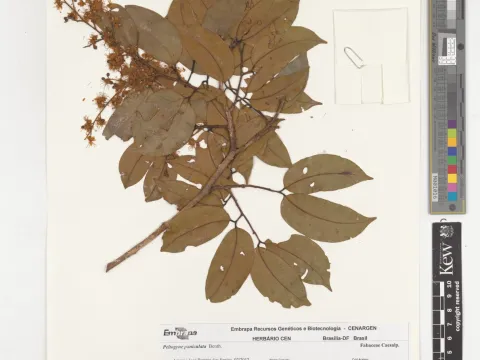
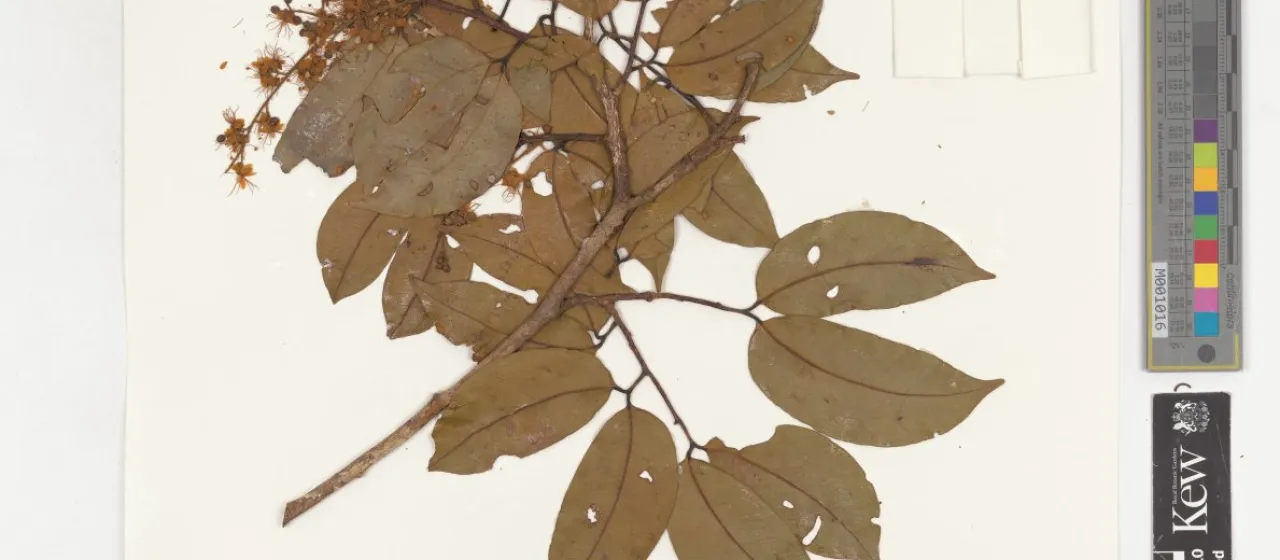
Botanically, the tree is defined by its smooth bark and characteristic bifoliolate leaves. The inflorescence consists of panicles that produce small, delicate flowers. The most distinct feature is the wood chemistry; upon exposure to air, the naturally brown-gray wood undergoes a chemical reaction that transforms its color into a characteristic deep, vibrant purple hue.
Agronomic requirements for Peltogyne paniculata are strictly tropical. The species demands fertile, deep soils with excellent drainage, as the roots are sensitive to waterlogging. It is not suitable for temperate climate farming. Propagation requires high humidity and shade in the initial stages of seedling development, mimicking the conditions of the natural forest floor.
The primary economic value of this tree lies in its wood, which is utilized for:
- High-end furniture and cabinetry design.
- Manufacturing of acoustic and electric guitar bodies.
- Creation of heavy-duty flooring and decking.
- Artistic woodturning and intricate carving projects.
Regarding health and pathology, Peltogyne paniculata is generally resilient in its native habitat. However, in artificial cultivation or plantation settings, it can be susceptible to root rot if soil drainage is poor. Additionally, foliage-feeding insects and various wood-boring pests represent the main threats. Monitoring for early signs of fungal infection and maintaining plant vigor is crucial for successful management of these trees.
Photo gallery