Description
Pemphis acidula is a unique evergreen shrub or small tree belonging to the Lythraceae family. Renowned for its extreme resilience, this plant is a true halophyte, perfectly adapted to thrive in harsh coastal environments where salinity levels are high and soil nutrients are minimal, making it a subject of great interest for botanists and horticulturists alike.
The plant originates from the tropical coastal regions of the Indo-Pacific, extending from East Africa across to the islands of the Pacific and northern Australia. In its natural habitat, it commonly grows in the rocky crevices of coral limestone or on sandy beaches, standing as a resilient buffer against tides and strong, salt-laden winds.
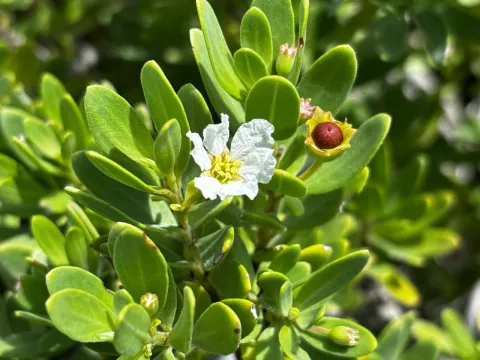
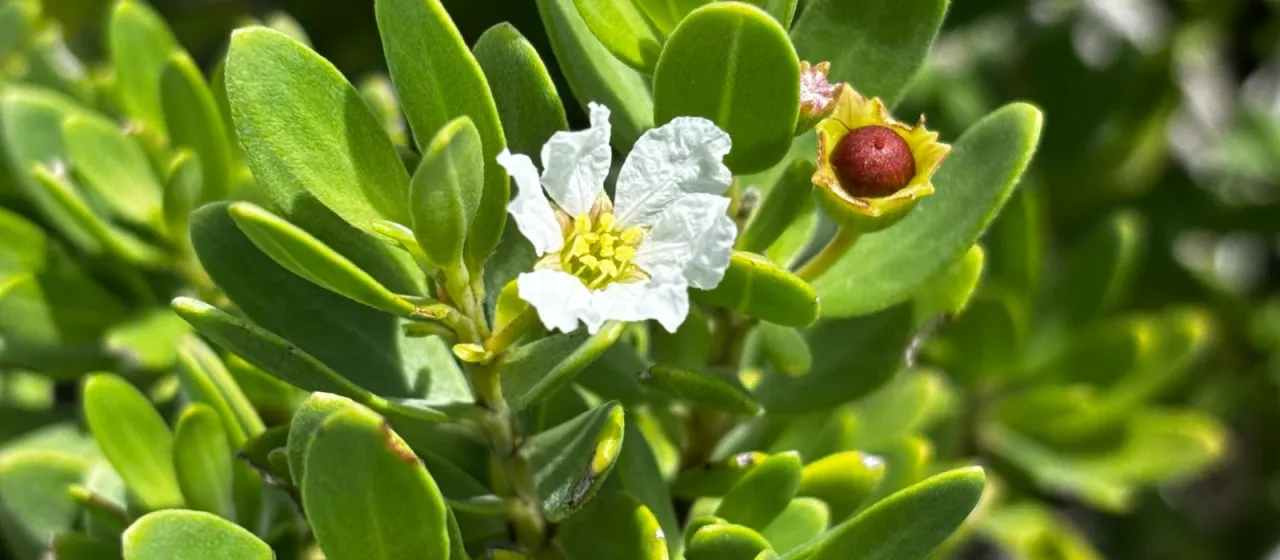
Botanically, Pemphis acidula is characterized by small, dense, succulent-like leaves that are covered in fine hairs to prevent water loss. Its bark is exceptionally thick, gnarled, and textured, which, combined with the plant's slow growth rate, creates a striking aesthetic appearance. These physical attributes make it one of the most highly prized species in the global bonsai community.
Regarding cultivation, Pemphis requires full sun exposure and a well-draining mineral substrate that prevents water stagnation. Because it is accustomed to poor, rocky soils, it does not require heavy fertilization. Instead, it benefits from moderate, consistent watering and a warm environment with high ambient humidity, mimicking the conditions of its native tropical home.
The practical utility of this species includes:
- Master-level bonsai cultivation due to its ancient-looking, weathered trunk.
- Shoreline stabilization and coastal erosion protection.
- Utilizing its extremely hard, dense wood for specialized tools and crafts.
- Decorative coastal landscaping in tropical regions.
The plant is generally robust, but it can be susceptible to common pests such as spider mites and mealybugs, particularly when kept in confined indoor conditions. Pathological issues are almost exclusively related to improper care, such as poor drainage leading to root rot or insufficient light levels. Maintaining a strict pruning schedule and proper airflow is essential for the plant’s long-term health.
Photo gallery