Description
Pentaclethra macroloba is a robust, evergreen tree belonging to the Fabaceae (legume) family. Often referred to by its botanical name, this species is a critical component of tropical ecosystems and an emerging agricultural crop valued for its oil-rich seeds, which produce the commercially significant pracaxi oil.
The species originates from the tropical regions of Central and South America, including countries such as Nicaragua, Costa Rica, and Brazil. It is natively found in lowland tropical rainforests, typically thriving in alluvial soils and along riverbanks. Its geographical distribution is closely tied to humid climates where precipitation is heavy and consistent throughout the year.
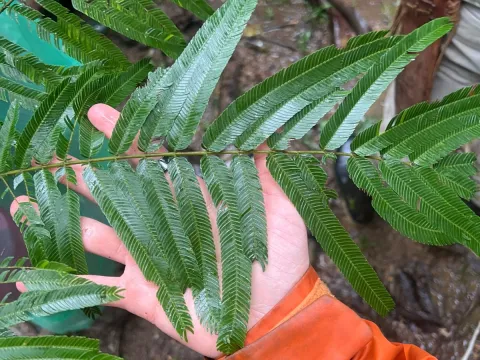
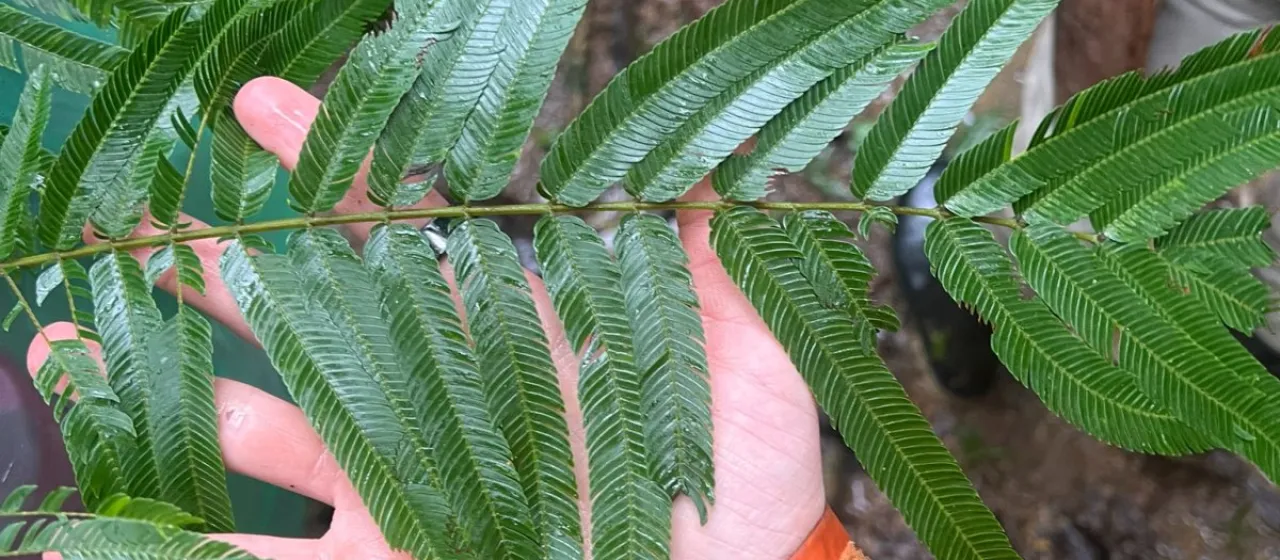
Botanically, the tree is characterized by its bipinnate leaves and large, woody pods that dehisce explosively upon maturity. The plant produces dense, brush-like inflorescences of fragrant flowers. Like many members of the legume family, Pentaclethra macroloba has the biological capacity to fix atmospheric nitrogen, significantly contributing to soil nutrient cycling in its environment.
Cultivation requirements for this crop involve high annual temperatures and constant moisture availability. While it can handle periodic waterlogging, well-draining, nutrient-rich soils are preferred for optimal growth. Agricultural management primarily focuses on initial weed control and monitoring for specific tropical pests, though the tree is generally hardy and fast-growing under suitable tropical conditions.
The primary economic use of the tree is the extraction of oil from its seeds, which is highly esteemed in the cosmetic and pharmaceutical industries for its high concentration of behenic acid. Beyond its oil-producing properties, the tree serves as an important timber source and is frequently integrated into agroforestry systems to enhance soil fertility and provide shade for associated crops.
- Significant source of behenic acid.
- Strong nitrogen-fixing capabilities.
- Adaptability to wet tropical soils.
- Versatile use in cosmetic and timber industries.
Photo gallery