Pentameris pallida
Pentameris pallida
Description
Pentameris pallida is a perennial grass species belonging to the Poaceae family. In agricultural and ecological contexts, it is recognized as a resilient component of natural pastures, characterized by its ability to thrive in specific climatic conditions that require high levels of physiological adaptation and efficient resource management during growing seasons.
The native range of this species is primarily located in South Africa, specifically within the Cape Floristic Region. It is naturally adapted to environments that experience distinct seasonal fluctuations in moisture. This evolutionary history has provided the species with robust survival mechanisms, allowing it to remain productive in areas where other forage grasses might struggle to establish or recover.
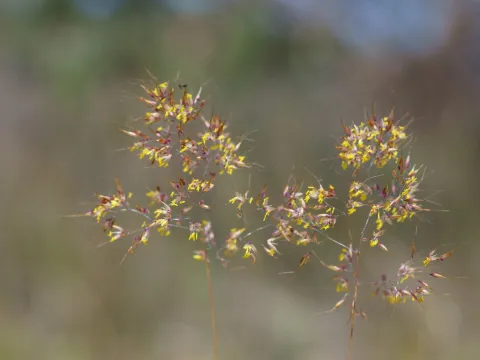
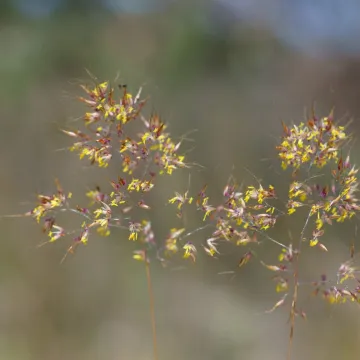
Botanically, Pentameris pallida is identified by its dense, tufted growth habit and linear leaf structures. The inflorescences appear as pale, whitish panicles, which give the plant its characteristic aesthetic appearance when in flower. Its root system is exceptionally efficient at anchoring the plant in rocky or nutrient-poor soils, which contributes to its status as a soil stabilizer.
Regarding soil and climate requirements, the plant prefers well-drained, slightly acidic soils. It exhibits significant tolerance to temperature extremes and varying moisture levels. From an agronomic perspective, management focuses on grazing pressure control and fire management, which mimics natural environmental triggers that stimulate the plant's vegetative regeneration and nutrient uptake.
The primary agricultural use of this species is as a forage resource for livestock. It provides a reliable source of biomass in pastoral systems. Beyond its value as fodder, Pentameris pallida plays a vital role in land restoration projects, as its dense root structure helps to prevent wind and water erosion, effectively protecting the soil integrity of fragile landscapes.
- High tolerance to poor soil quality
- Effective soil erosion control
- Strong regenerative capacity
- High forage value for grazing animals
Disease susceptibility is mainly linked to fungal pathogens, such as rusts, which can manifest during prolonged periods of high humidity. Insect pests, including various orthopterans, can occasionally cause damage to the foliage. Implementing a rotational grazing schedule is the most effective way to maintain plant health and prevent the overgrazing that can leave the plant vulnerable to secondary infections.
Photo gallery